

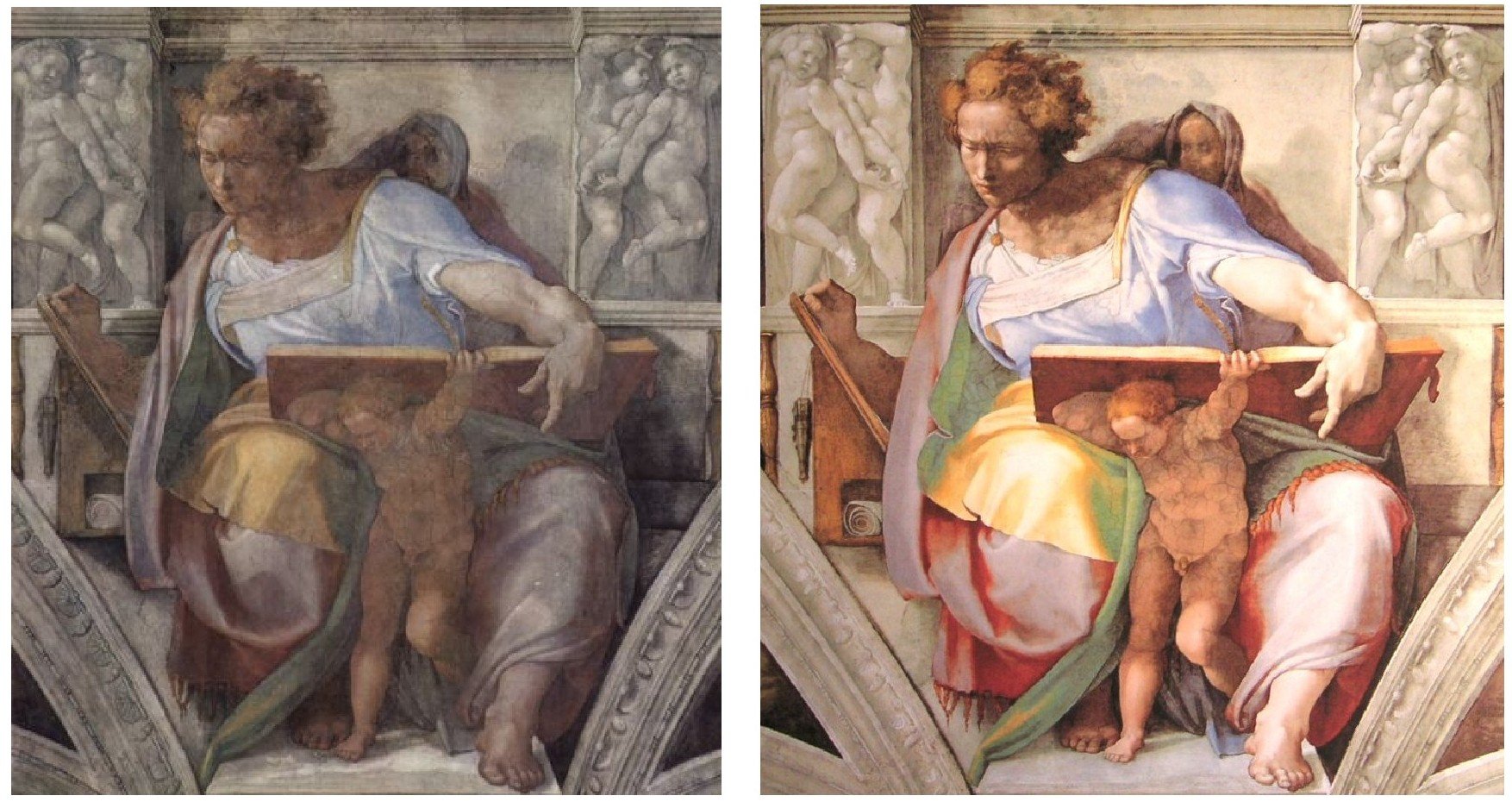
The Evolving Ethics of Art Restoration
The restoration and conservation of celebrated works of art has always been a delicate balancing act. While the aim is to preserve and protect historical treasures for future generations, the question of how far restorers should go often leads to debate and controversy. Should the goal be to keep a work looking as close to its original state as possible, even if that means significant intervention? Or should priority be given to conserving the original materials and patina of age, even if flaws remain visible? As methods and ethics continue to evolve, many iconic restoration projects have sparked impassioned disagreement on this complex issue.

The Importance of Art Conservation
Artworks and cultural artifacts serve as a time capsule, allowing us to connect with cultures and people from the past. However, these irreplaceable objects are vulnerable to deterioration and damage over time from exposure, mishandling, disasters and more. Art conservation plays an indispensable role in preserving our shared cultural heritage by stabilizing, restoring and protecting artworks for future generations.
In this article, we’ll explore the multifaceted importance of art conservation and why it is essential for museums, collectors and the public to support conservation efforts.