Five Days in Oslo: Reflections on the 21st ICOM-CC Triennial Conference and the Beginning of ICOM-Conservation
In September 2026, more than 1,000 conservation professionals from 72 countries gathered in Oslo for the 21st Triennial Conference of the International Council of Museums Committee for Conservation. For five days, conservators, conservation scientists, engineers, researchers, developers, heritage professionals and students moved between lectures, technical visits, discussions and social events under the conference theme, Cultural Connections in Conservation.
For me, it was also a series of firsts. It was my first ICOM-CC Triennial Conference, my first major international conservation conference, and one of my first opportunities to step into the wider profession not simply as a student looking in, but as an emerging conservator beginning to take part in it.
I was able to attend through student sponsorship from Bev/Art, who covered my conference registration and accommodation. Bev/Art is a Norwegian heritage technology company founded by art historian Christian Nielsen and engineer and entrepreneur Håvard Lystrup. Their work focuses on environmental monitoring for museums, archives and heritage sites, providing systems for monitoring climate, light, transport conditions and other factors that affect collections. They were also the environmental monitoring sponsor for ICOM-CC Oslo 2026.
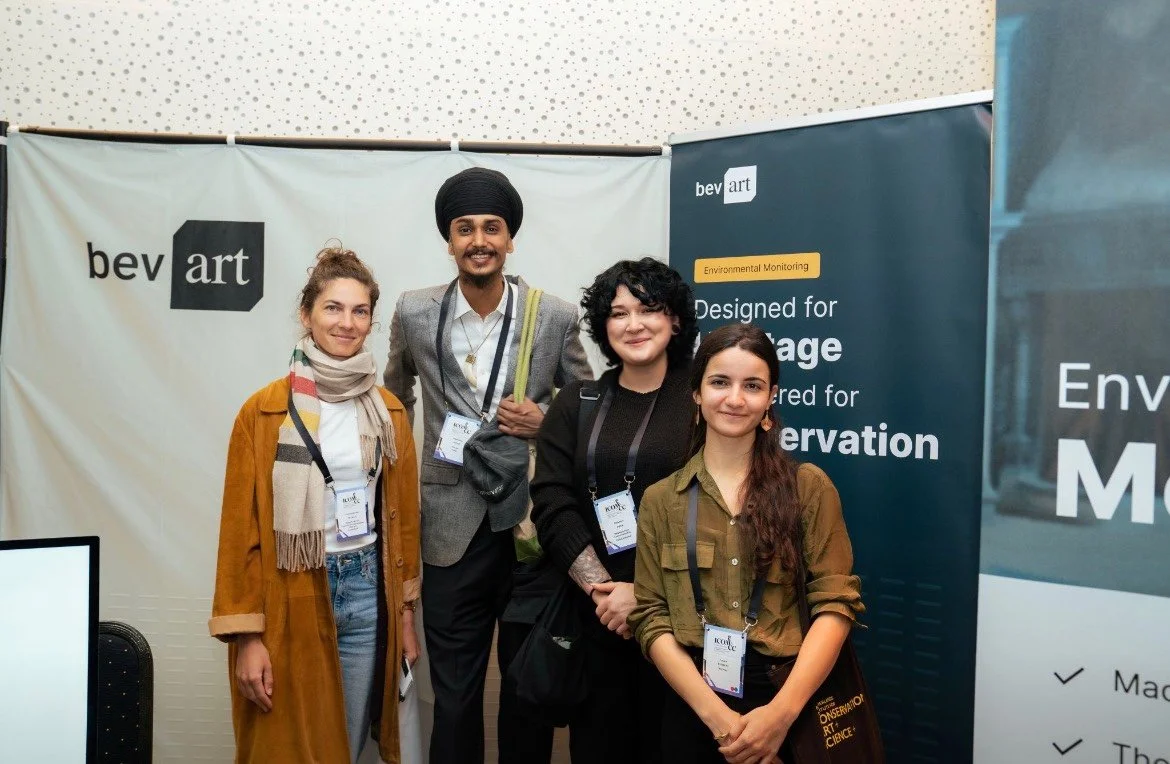
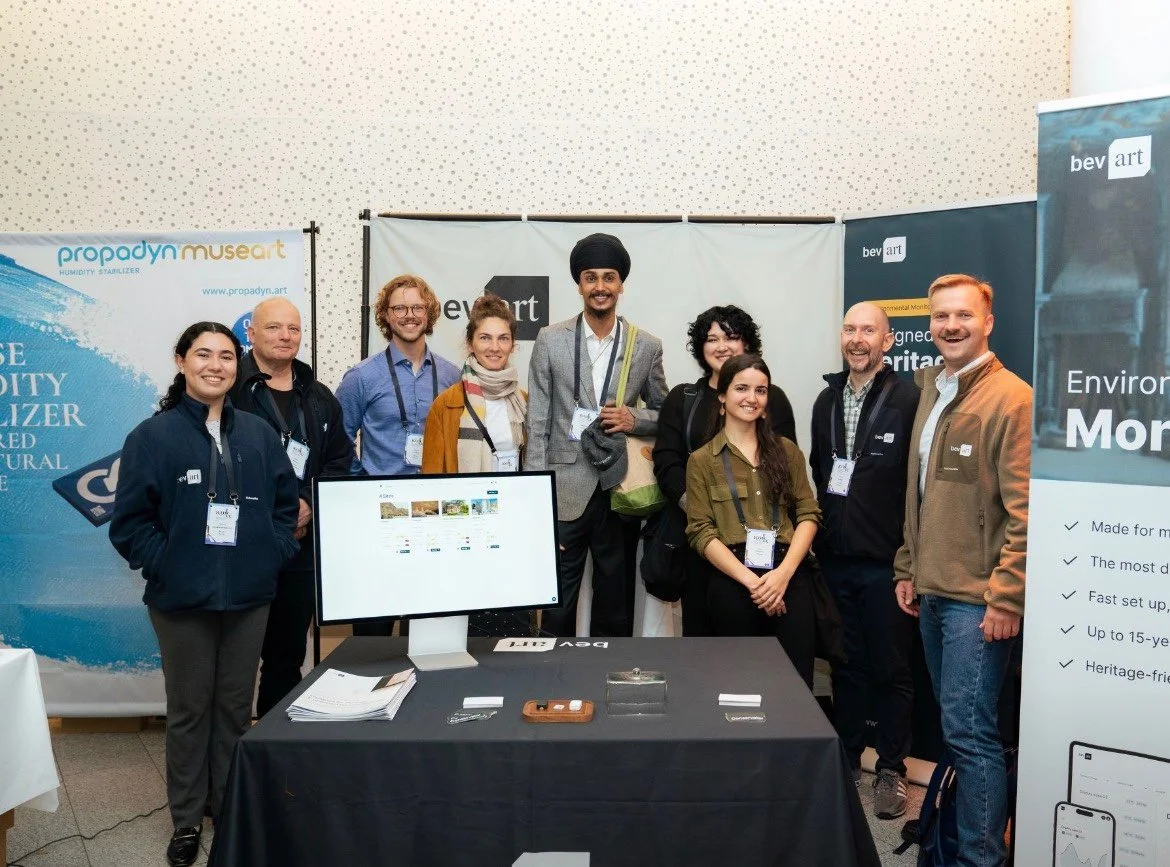
That support made it possible for me to experience a week that would have been difficult to access at this stage of my career. More importantly, it placed me in a room with a profession that I had previously encountered mainly through papers, books, lectures and the names attached to research.
Suddenly, those names were sitting beside me at breakfast.
Arriving in Oslo
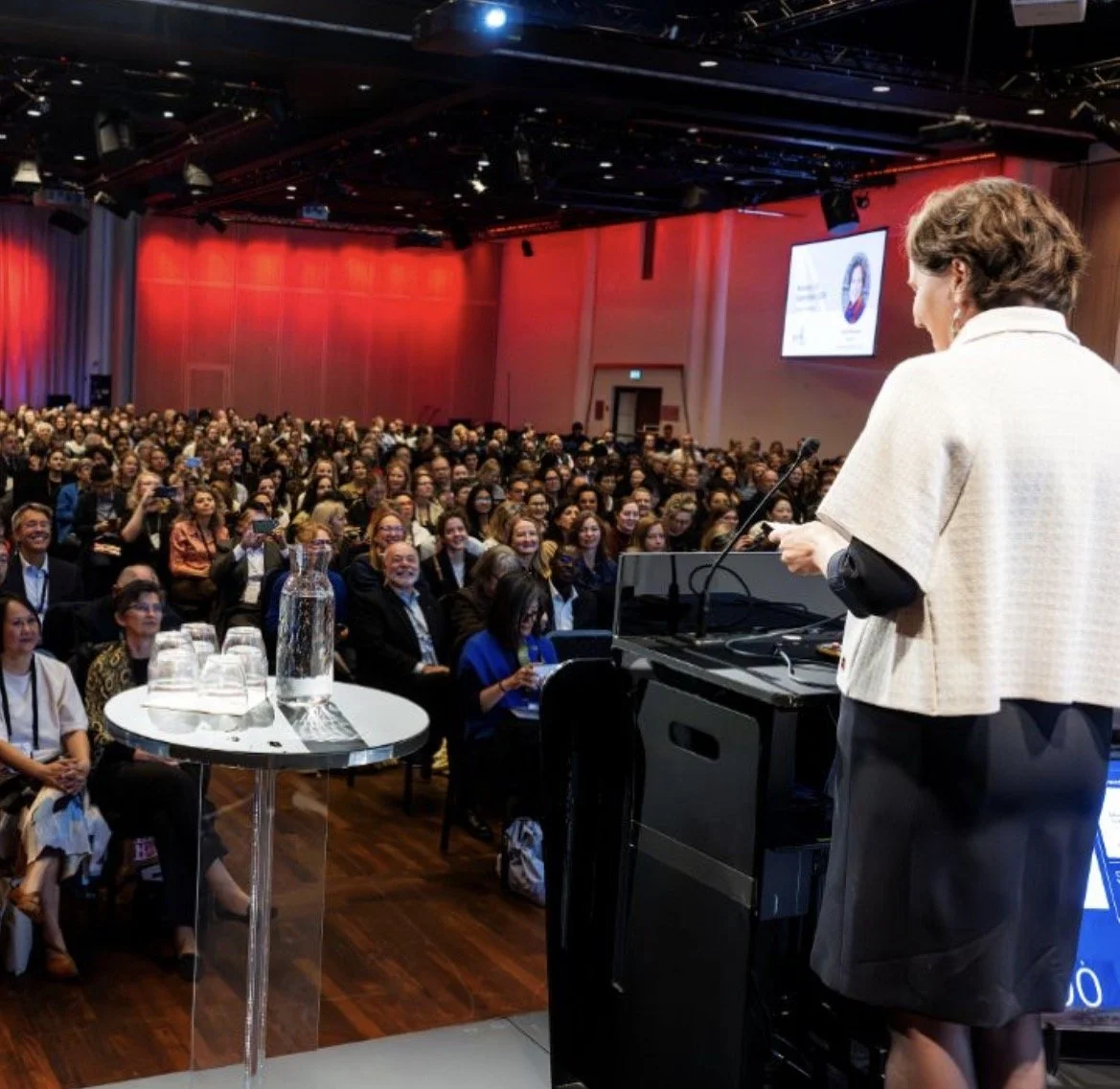
The scale of the conference was the first thing I noticed.
ICOM-CC, now ICOM-Conservation, is already the largest of ICOM’s international committees, with around 5,000 members and 21 specialist working groups. The Triennial Conference brings those groups together every three years, and Oslo drew more than a thousand participants.
As somebody attending for the first time, that was both exciting and a little intimidating.
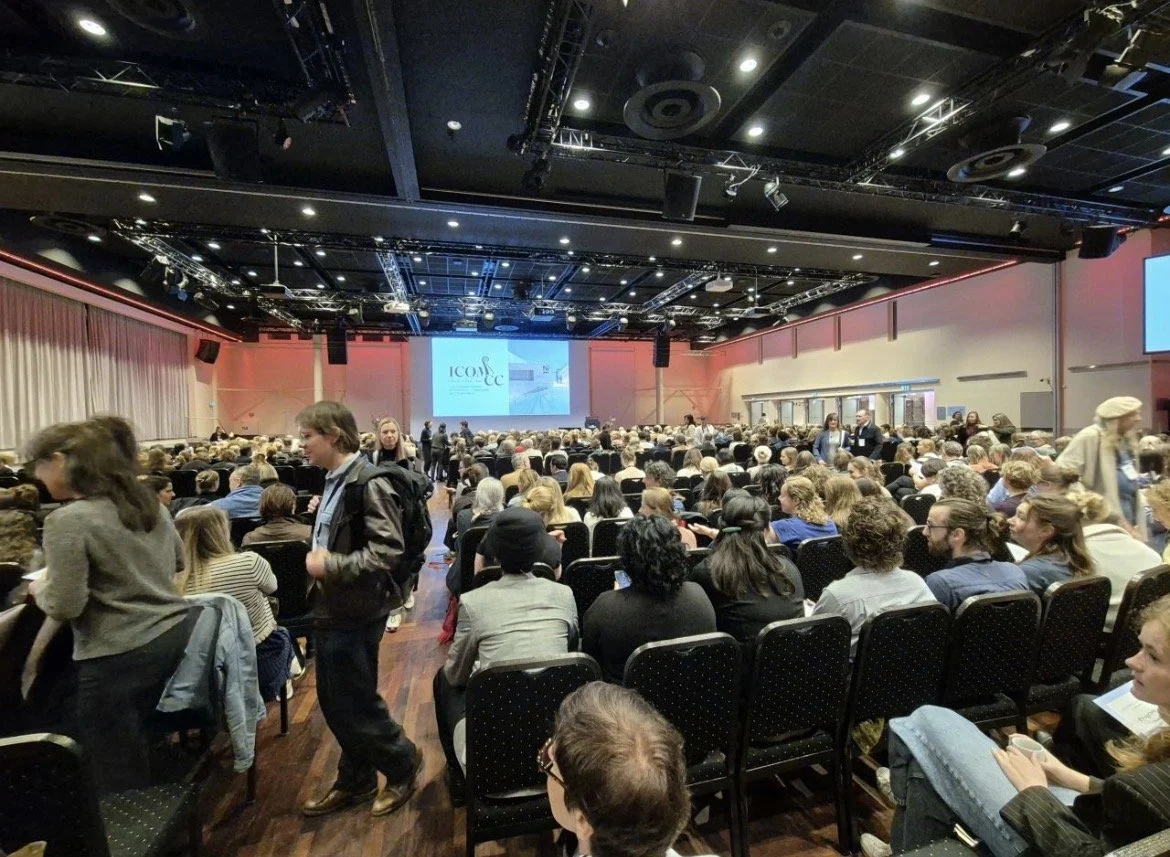
Many of the delegates had been coming to these conferences for years. People recognised each other across corridors. Collaborators reunited. Old colleagues picked up conversations that seemed to have begun at previous Triennials in Valencia, Copenhagen or further back.
Then there was me: a new face, nearing the end of my conservation training and walking into this enormous international network for the first time.
That nervousness did not last long.
One of the strongest impressions I took from the week was how welcoming people were to emerging professionals. Conservation is a relatively small field, and there was something liberating about being surrounded by people who did not need an explanation for why a discussion about adhesive properties, XRF maps, lining systems or cleaning gels was interesting. Everyone was there because, in one form or another, they cared about the same questions.
You could sit beside somebody from a completely different part of the profession and begin talking.
And people did.
A conference built around connections
The title Cultural Connections in Conservation proved appropriate in more ways than one.
The formal programme crossed a remarkable range of disciplines. There were sessions on paintings, wood and furniture, stone, leather, textiles, metals, preventive conservation, scientific research, conservation theory and ethics, contemporary art, documentation, archaeological materials and many other areas. Five working-group sessions often ran in parallel, meaning there was never any possibility of seeing everything.
My own days usually involved roughly a dozen presentations, with decisions constantly being made over which room to be in next.
Although my training is in easel paintings conservation, some of the talks that interested me most came from outside that immediate specialism. That became one of the great benefits of the conference. A material, method or problem developed for one area of conservation might trigger a completely different line of thought in another.
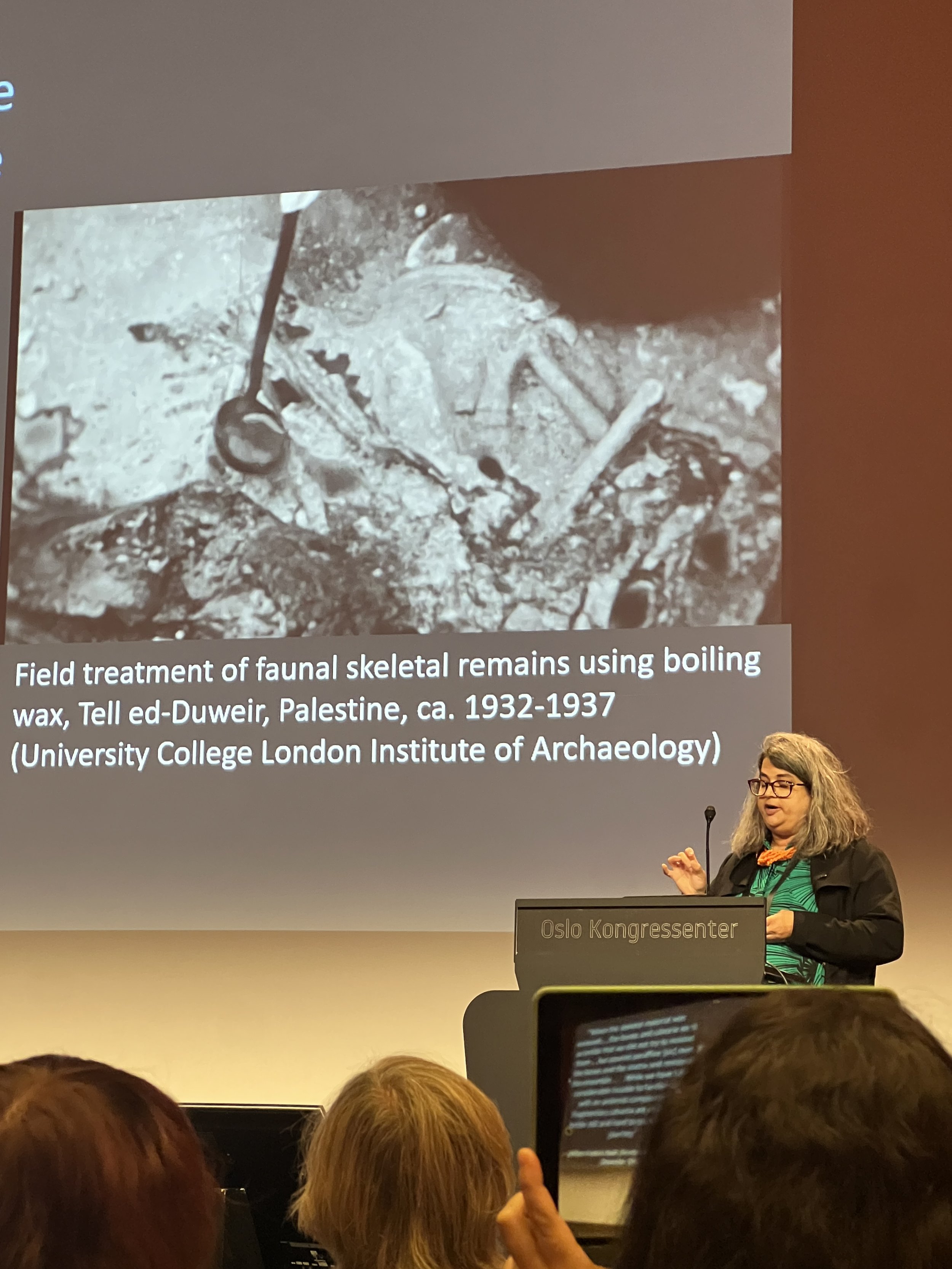
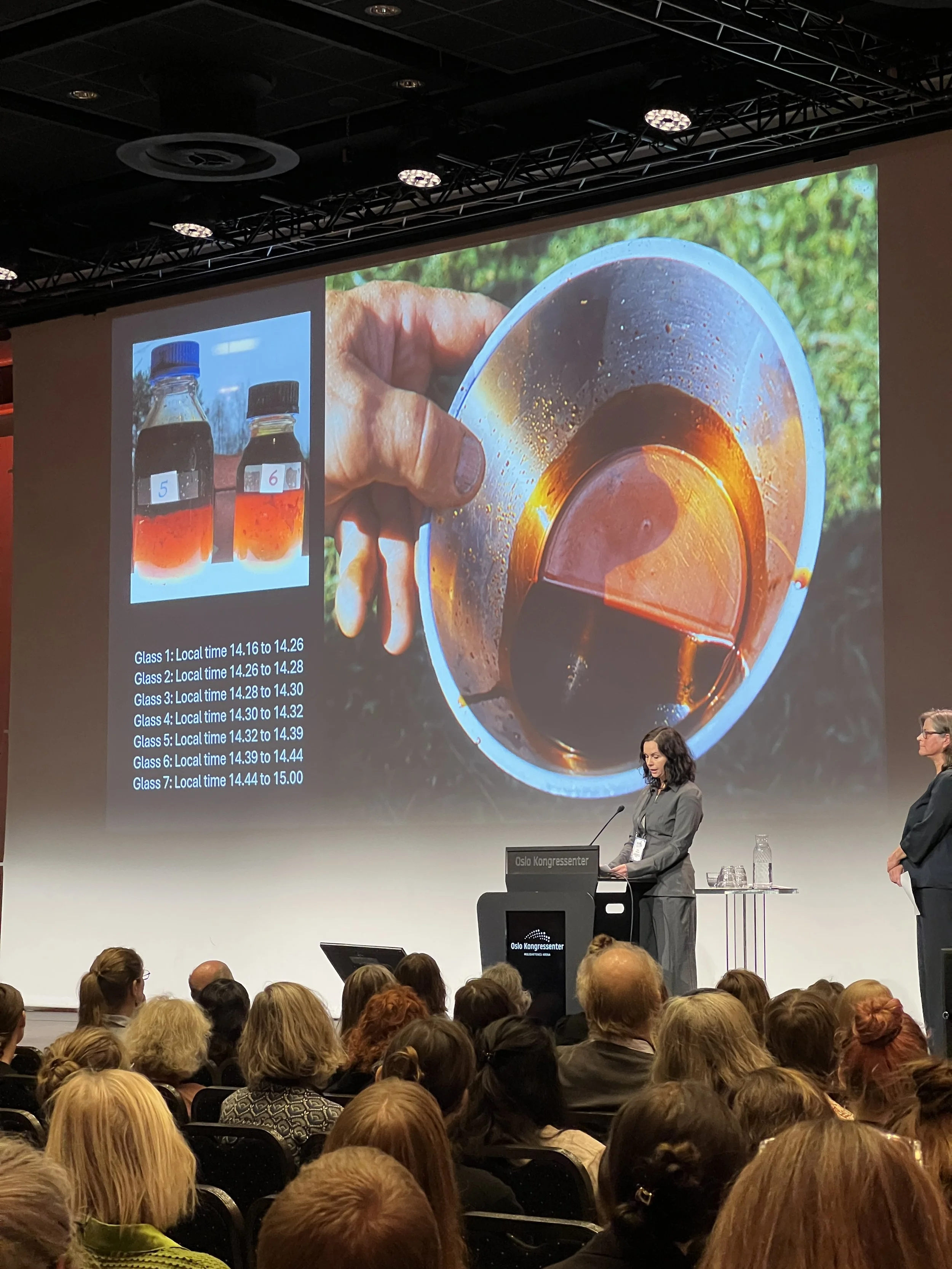
A number of papers stayed with me in particular.
Abigail Tudor, with Shayne Rivers, Ambrose Taylor and Kate Jennings, presented Evaluating the Mechanical and Working Properties of Bulked Lascaux 498HV and its Suitability for Filling Non-Structural Splits in Wood. The research considered the use of a familiar conservation adhesive in a rather different role: as part of a bulked fill material for splits in wooden objects.
What interested me was the practical nature of the question. A fill is not simply required to occupy a gap. Its strength, flexibility, workability and relationship with a moving organic substrate all matter. Wood responds to environmental change, and any fill placed within it becomes part of that mechanical system. Research that tests materials in relation to how conservators actually need to use them is particularly useful because it closes the gap between material science and treatment at the bench.
That relationship between scientific understanding and practical control appeared repeatedly throughout the week.
Rita de Cássia Cavalcante and Stéphanie Auffret's Context-Driven Cleaning Approaches: Flexible Polysaccharide Emulsion Gels for Removal of Gold Imitation Paint on Wooden Gilded Surfaces was another example. Their work explored flexible polysaccharide emulsion gels as a means of approaching a difficult cleaning problem on gilded wooden surfaces.
Cleaning is rarely just a question of finding something capable of removing an unwanted layer. The challenge lies in controlling where the cleaning system acts, how long it remains in contact with the surface, how much liquid reaches the original material and how far the treatment can be adapted as the surface changes.
That emphasis on control and context was a recurring theme across many of the treatment papers I attended.
More than bubbles
Two papers also introduced me to an area I had barely considered before the conference: foams.
Gels have become increasingly familiar within conservation practice and training. Foams, at least to me, were much less familiar.
Moritz Geissmann, Eva Mariasole Angelin, Clarimma Sessa, Tilly Laaser, Tamara Schad and Heinrich Piening presented More than Bubbles! Evaluation of an Innovative Foam-Based Cleaning Method for Paintings: Enhancing Effectiveness while Reducing Water and Mechanical Impact.
The concept immediately caught my attention. Rather than considering cleaning solution only as a liquid placed directly against a surface, a foamed system offers another way of controlling its delivery. The research centred on whether cleaning effectiveness could be maintained while limiting water exposure and mechanical action, two factors of obvious concern when treating sensitive paint surfaces.
Later in the week, Carla Helmrich, Johanna Krailing, Karolina Soppa, Petra Demuth, Birgit Glüsen and Nadim C. Scherrer presented Expanding the Role of Methylcellulose in Conservation: Foam Properties and Practical Applications Illustrated by its Use in Strip Lining.
Methylcellulose itself is hardly an unfamiliar conservation material. Seeing it examined as a foam was different. Related research has explored methylcellulose foam as a way of introducing less material while still producing useful adhesive contact, including through foam generated with a double-syringe technique.
For me, these were exactly the sorts of conference papers that make attending worthwhile. I did not leave Oslo suddenly converted to using foam in every treatment. I left with another material behaviour to think about, another group of researchers to follow and another set of questions I would not have known to ask before hearing the work presented.
That is a much more valuable outcome.
Seeing someone behind the citation
One presentation held a different sort of significance for me.
Aviva Burnstock, Nathan Daly and Megan Buchanan-Smith presented What Lies Beneath: An Exploration of the Applications and Limitations of XRF Scanning in the Critical Interpretation of the Condition, Technique and Attribution of Paintings from the Courtauld Gallery.
The subject itself was compelling. X-ray fluorescence scanning can map the distribution of elements across a painting and, when interpreted alongside knowledge of pigments, technique and other forms of examination, contribute to our understanding of both visible and hidden features. Burnstock's wider research has also included scanning XRF investigations of paintings such as Gauguin's Nevermore.
What made this talk particularly memorable for me, however, was the person presenting it.
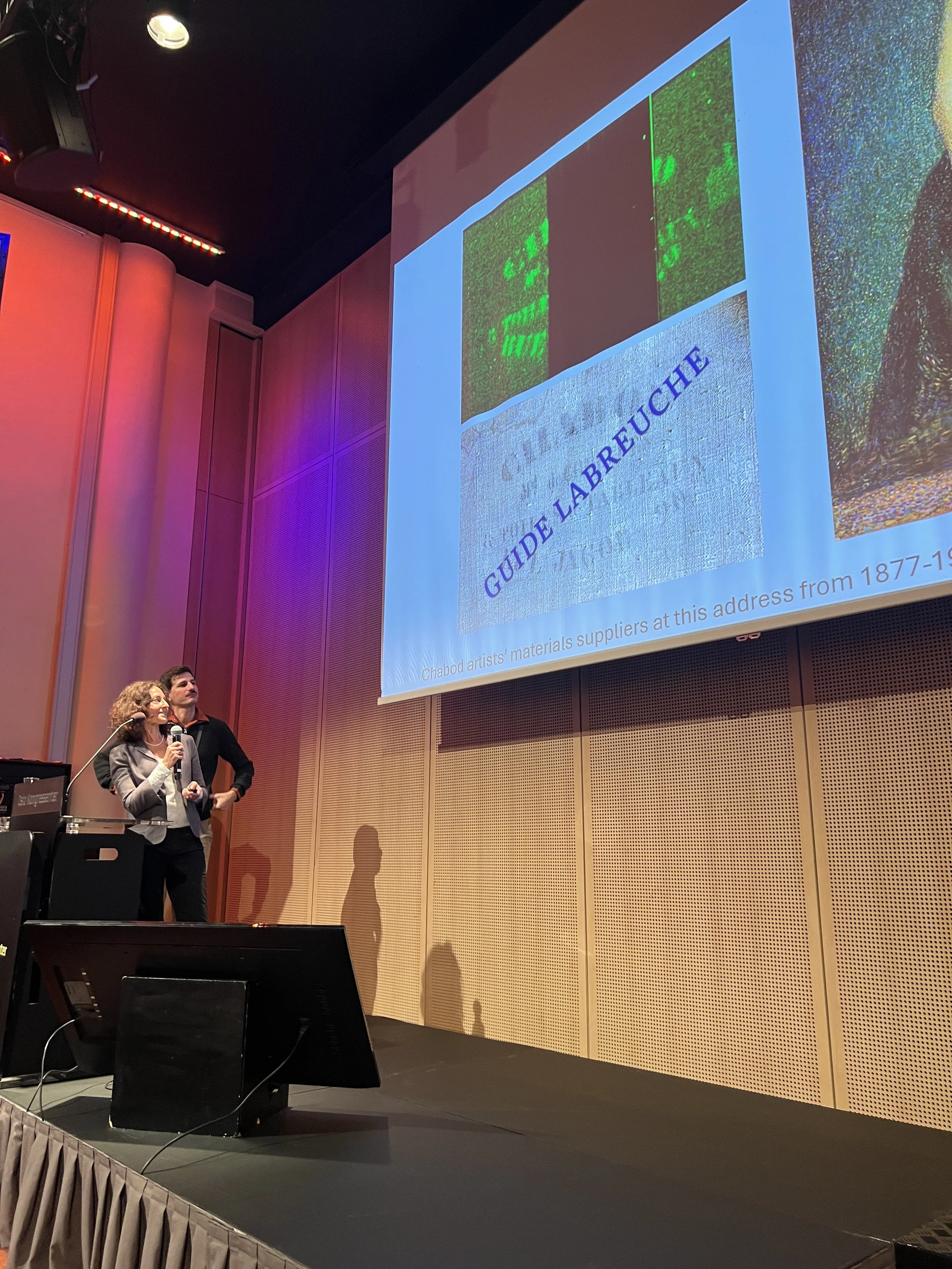
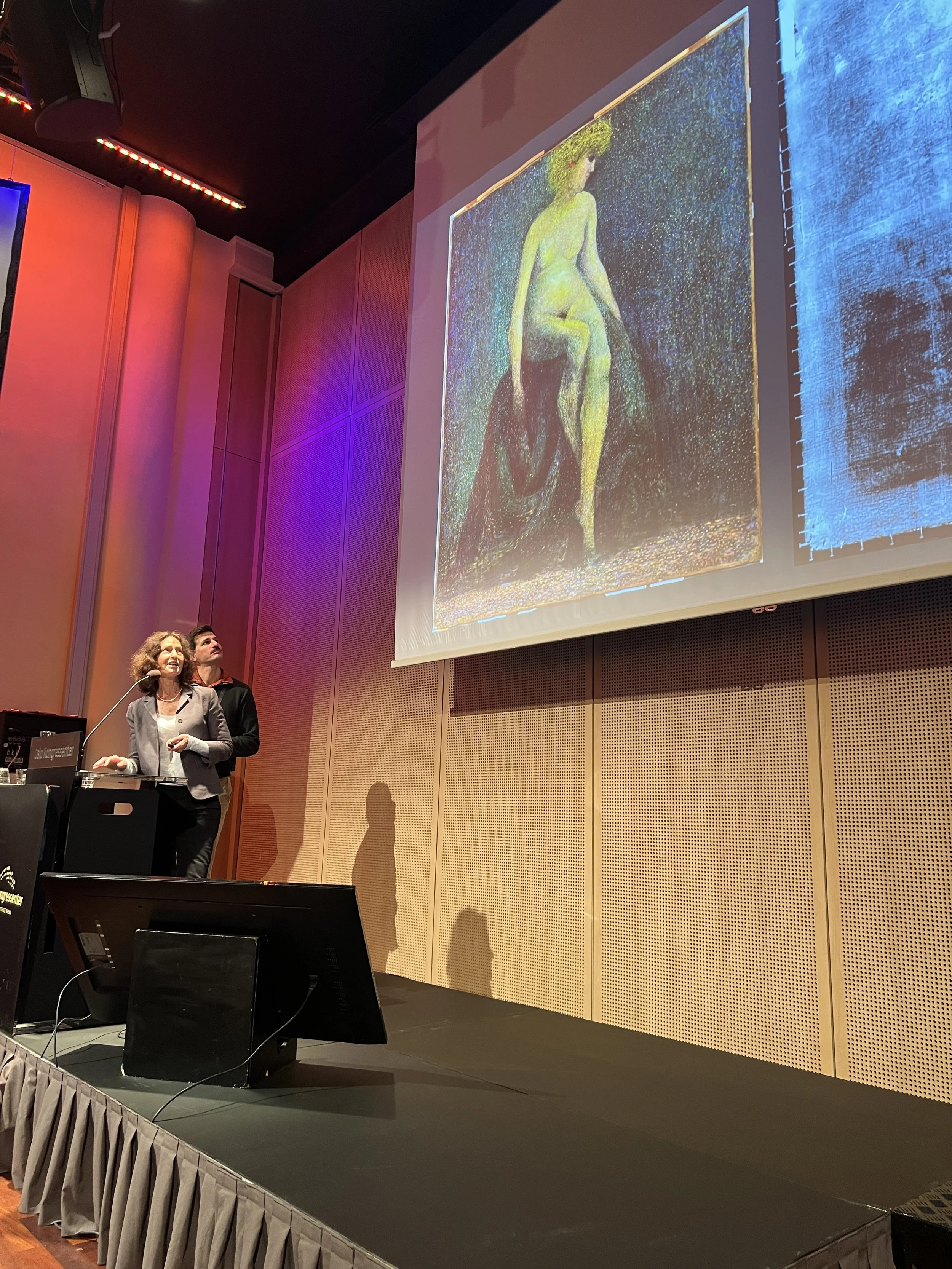
Aviva Burnstock is someone whose work I have read throughout my studies. Her name has appeared repeatedly in literature lists, research papers and technical discussions during my training. There is a strange shift that happens when someone who has existed in your mind for years primarily as an author suddenly walks onto a stage.
She was also an excellent presenter.
The subject was complex without feeling inaccessible. The research was presented critically rather than as a demonstration of technology for its own sake, and she engaged with the audience throughout. The limitations of analytical methods were as interesting as their capabilities. Imaging does not remove the need for interpretation. If anything, increasingly detailed analytical outputs make critical interpretation more important.
It was one of those small but significant moments where a field of study becomes a profession populated by actual people.
Beyond the lecture room
If the conference had consisted only of papers, it would still have been valuable.
But it would not have been the same conference.
On Monday evening, the formal opening day ended with the welcome reception at Oslo City Hall. The building itself was extraordinary, but what mattered most was the shift in atmosphere. The lecture rooms emptied, drinks appeared, and conversations that had begun between sessions could continue without another presentation starting in thirty minutes. It was the first chance to speak to people socially rather than simply sitting beside them in a conference room.
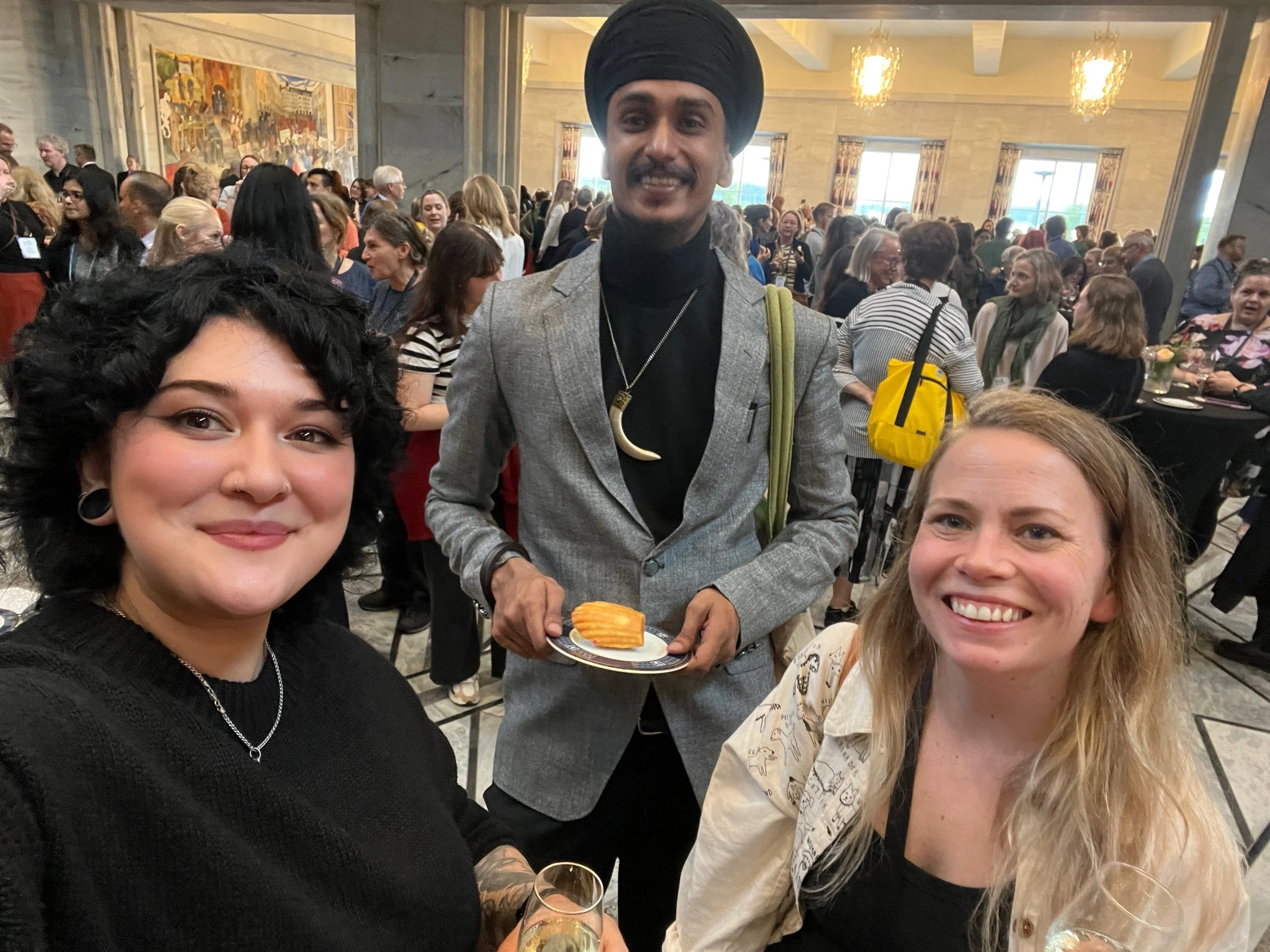
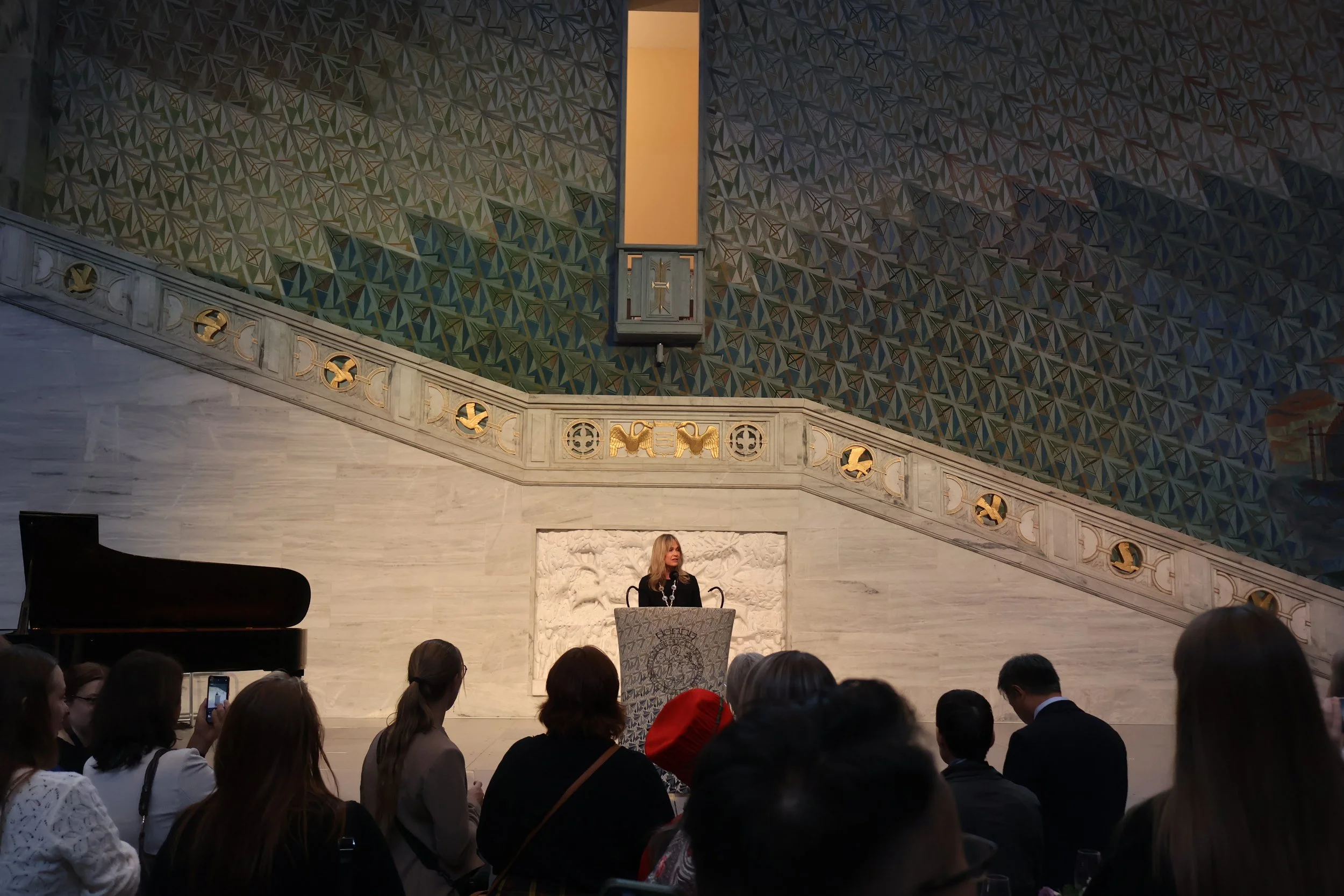
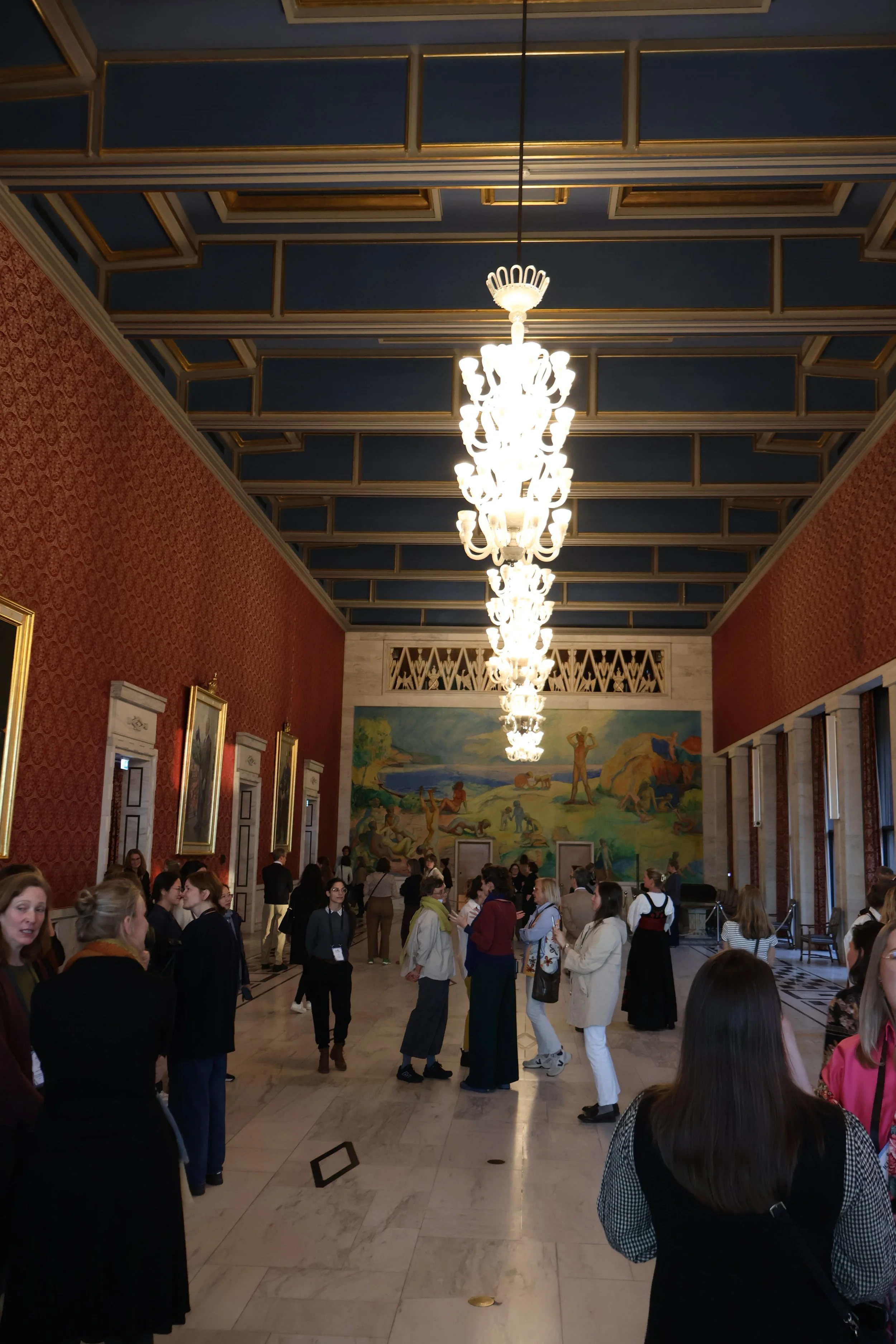
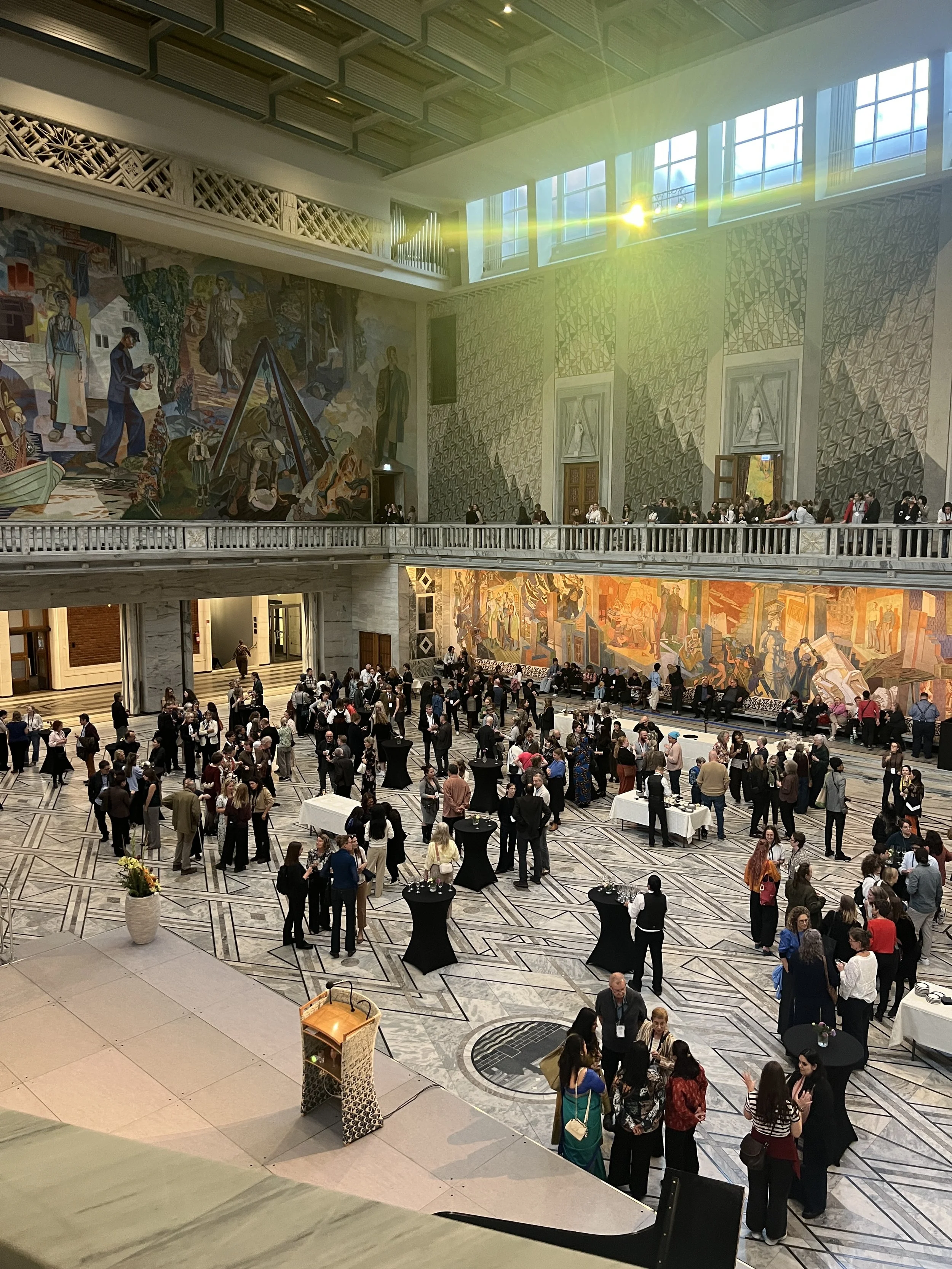
I was surprised to see a familiar face among the crowd and, from there, began meeting people I would continue seeing throughout the week. That first evening set the pattern for everything that followed.
Tuesday evening continued with a Professionals Happy Hour hosted by Bev/Art. It was smaller and more intimate: wine, olives, canapés and a group made up largely of conservation scientists and other professionals. Conversations moved easily between the day's presentations, current research, institutions, careers and the profession more broadly. For someone at the beginning of a career, that access is difficult to overstate.
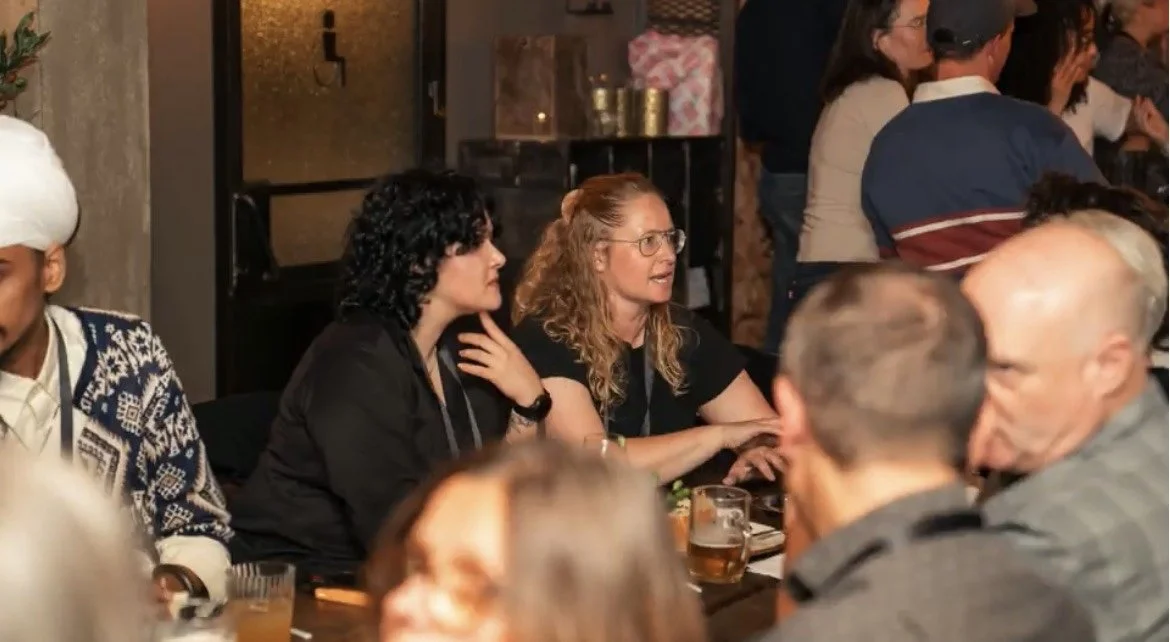
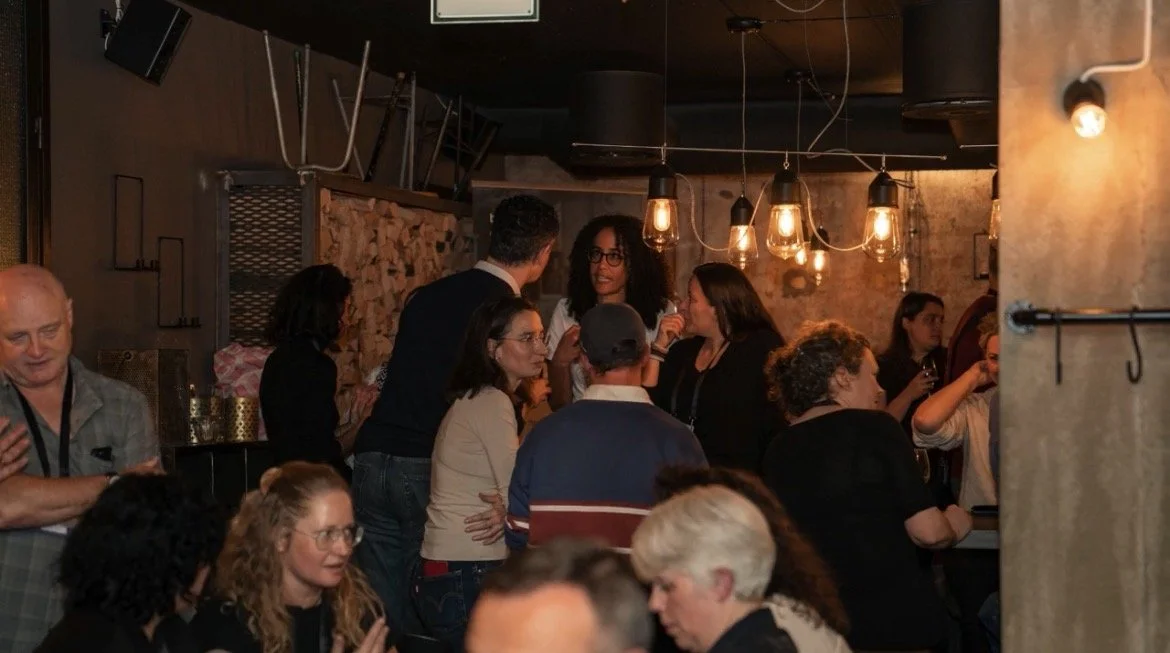
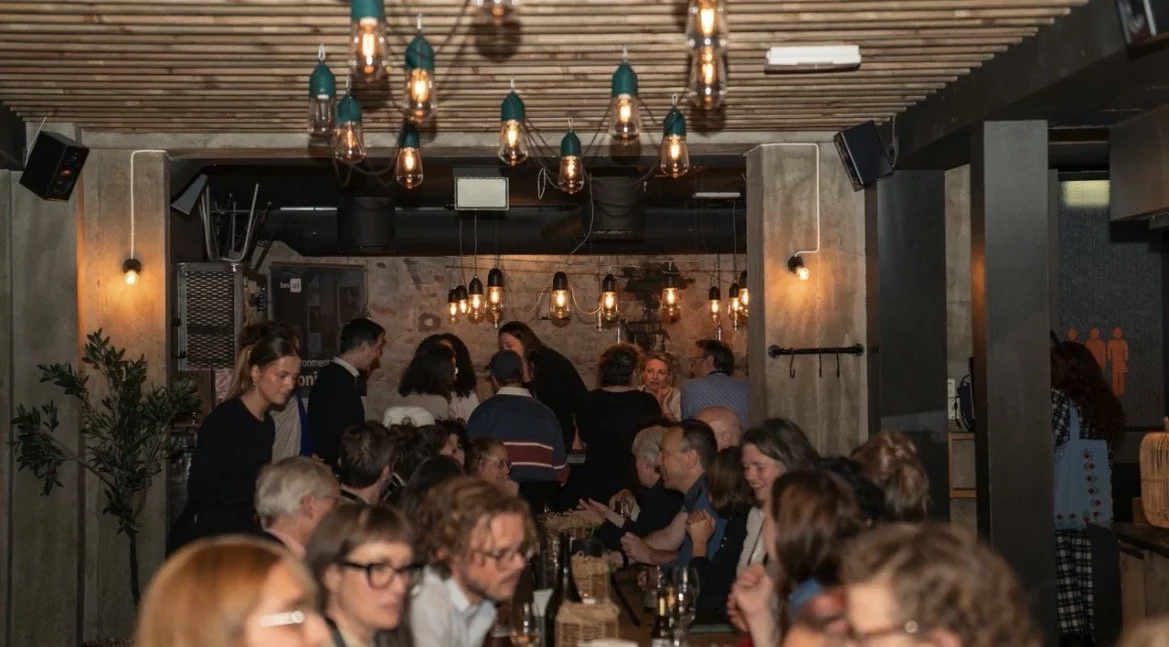
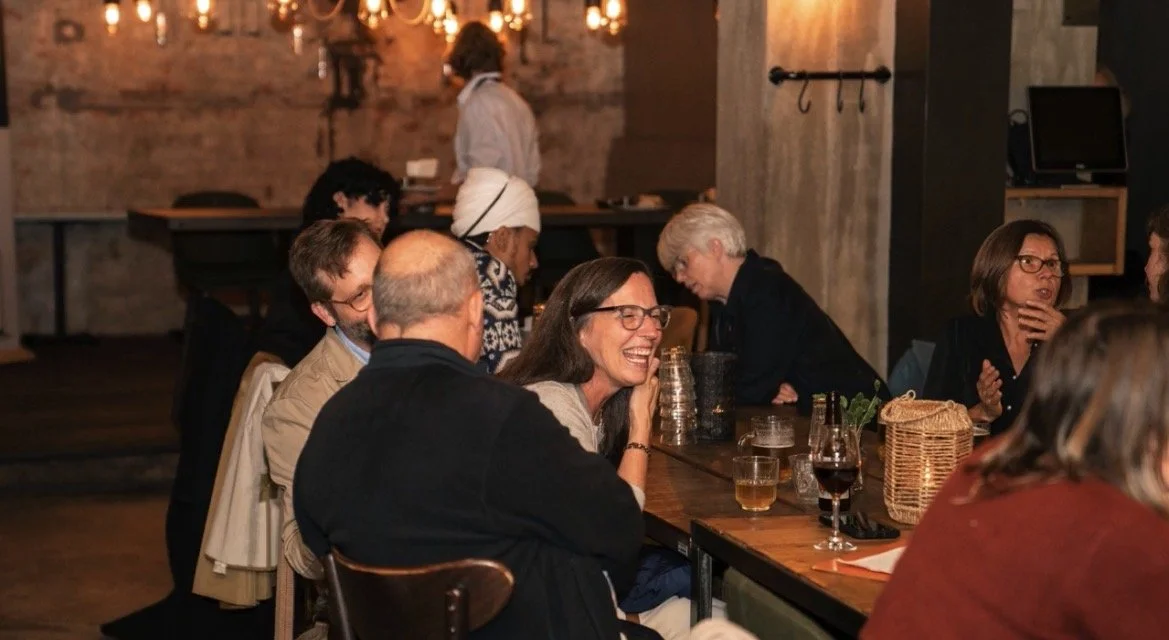
It is one thing to listen to a researcher present for thirty minutes and perhaps ask a question from the audience. It is quite another to find them later with a glass of wine and say, essentially, "I have been thinking about what you said."
The second conversation is often where things become interesting.
An open day at MUNCH
Wednesday broke the pattern of formal presentations. It was the conference's technical-visit day, with visits arranged across institutions in Oslo. Many had filled quickly, so another Bev/Art-sponsored attendee and I spent the day at MUNCH instead.
That was hardly a poor alternative.
The museum holds the world's largest collection of Edvard Munch's work. Its collection includes eight finished versions of The Scream: one painting, one drawing and six lithographs. In the main display, visitors encounter three representative versions — a painting, drawing and print — which are rotated because their paper and cardboard supports and light-sensitive materials prevent permanent display.
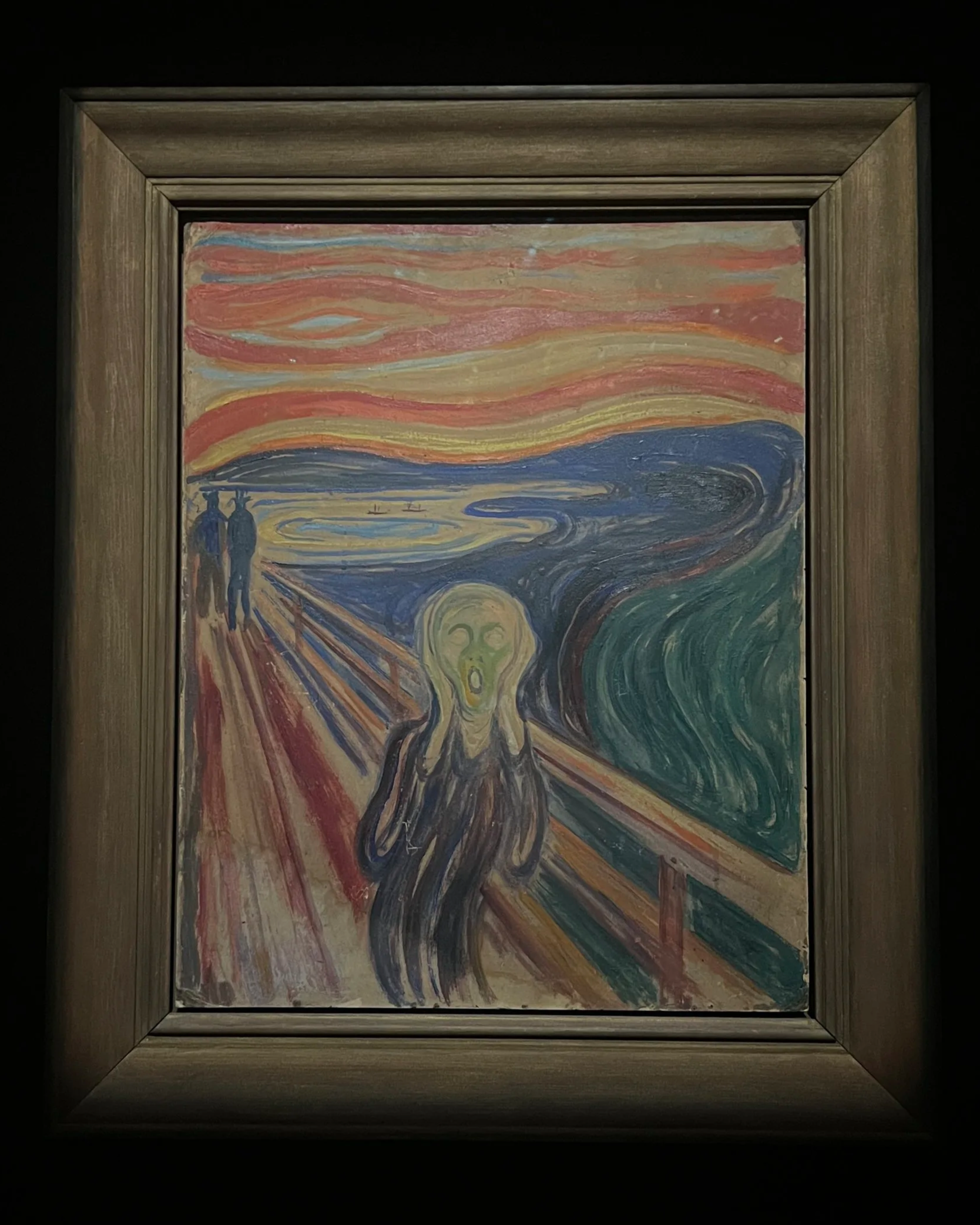
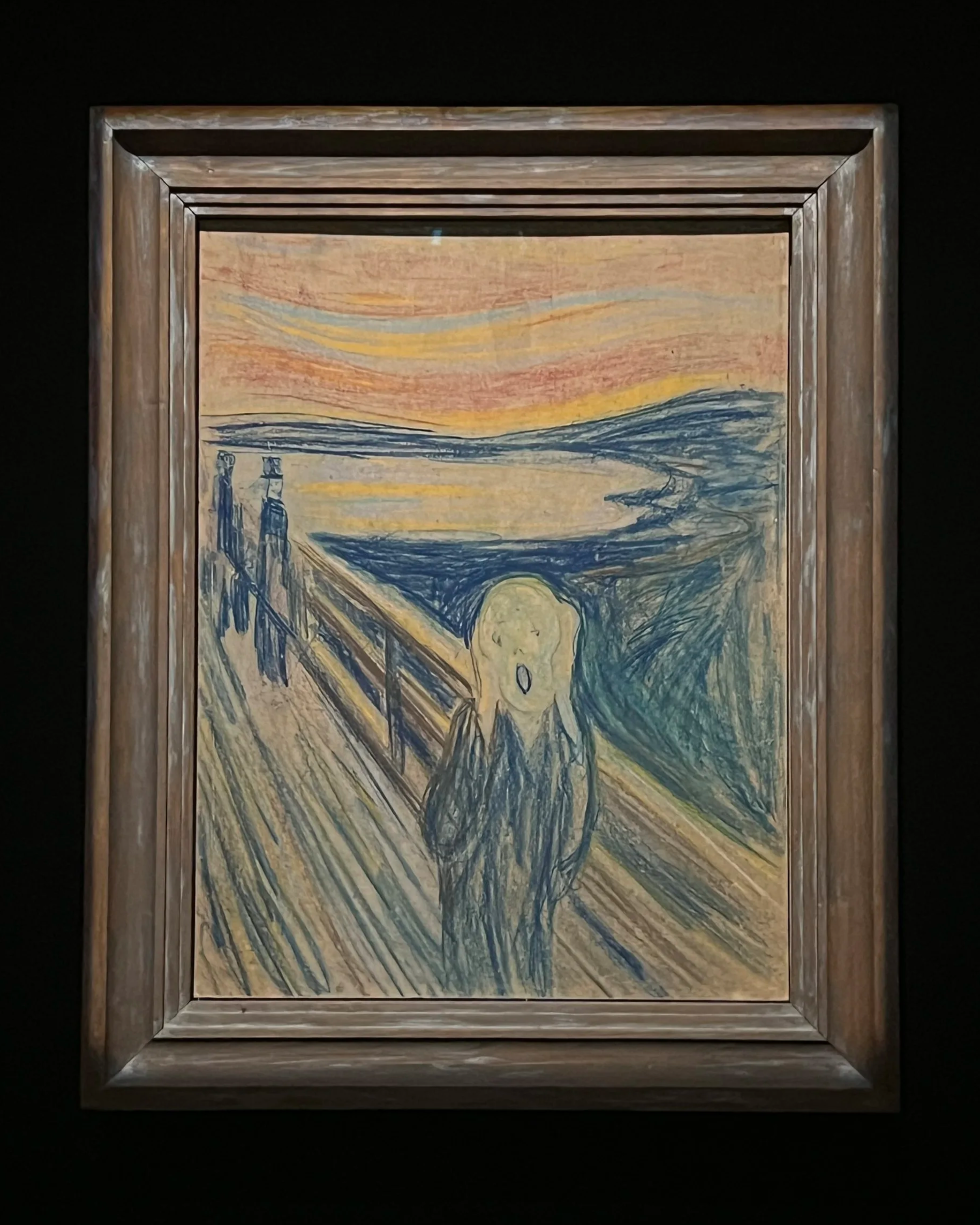
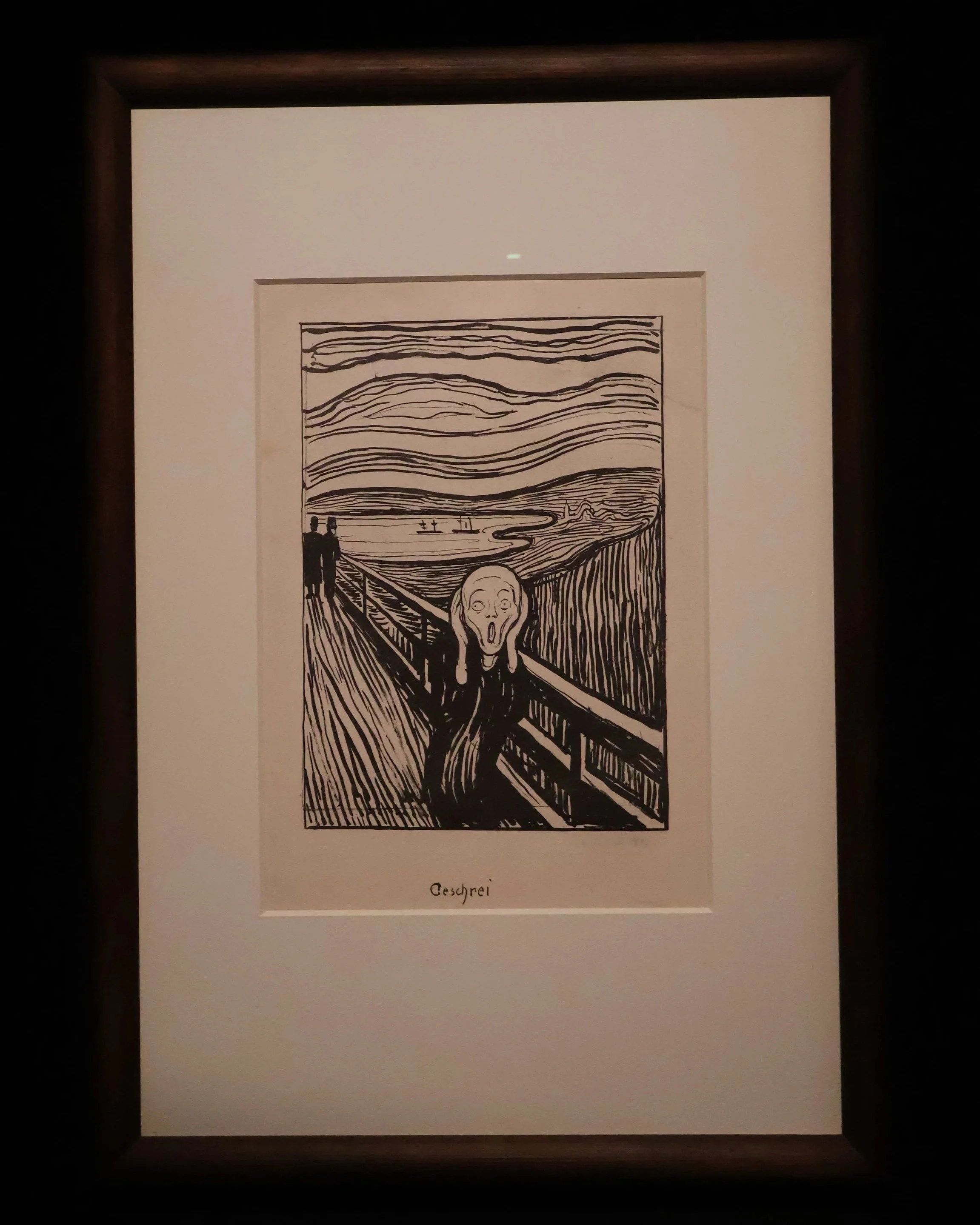
For two conservation students at a conservation conference, even an ordinary museum visit inevitably turns into something slightly different. You look at the art, but you also look at mounting, lighting, surfaces, materials, frames, display decisions and signs of previous treatment. You start discussing why something might have been presented in a particular way.
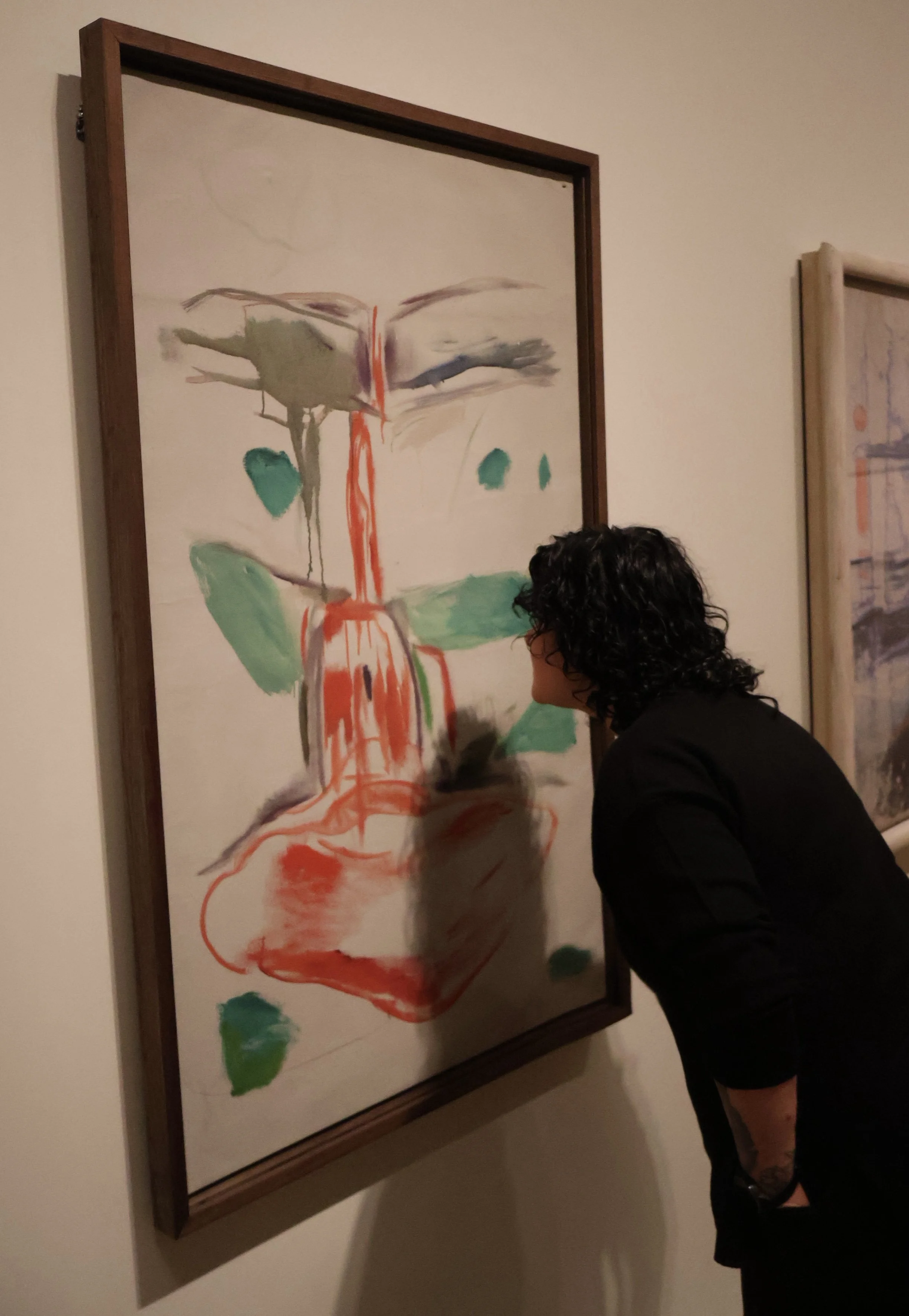
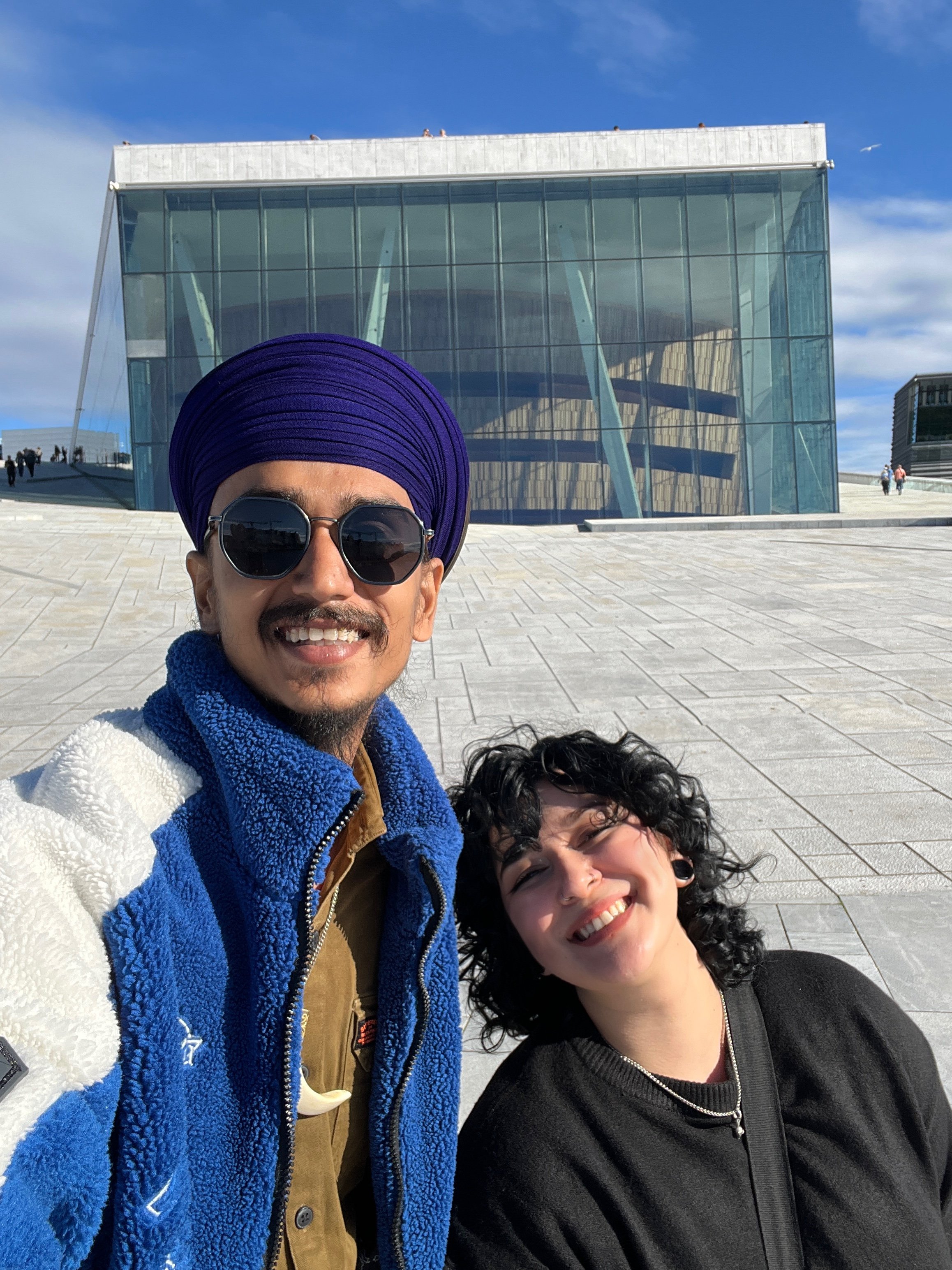
MUNCH was particularly appropriate in that respect because Munch's experimental use of materials presents genuine conservation problems. The museum itself notes that his unconventional techniques, handling and storage have left parts of the collection unusually vulnerable.
There was something fitting about spending the conference's open day there. After two days of hearing people discuss the science and philosophy of preserving cultural heritage, we spent a day with the objects for which all of that work ultimately exists.
Aquavit, cheese and Norwegian folk dancing
That evening brought one of the most memorable events of the entire week.
Bev/Art hosted an event at its office at Kongsgården, set among an orchard and farm. The setting felt almost impossibly far removed from a conference hall. We gathered in a greenhouse used for growing fresh produce, surrounded by food, drinks and conversations with scientists, conservators, engineers, developers and other heritage professionals.
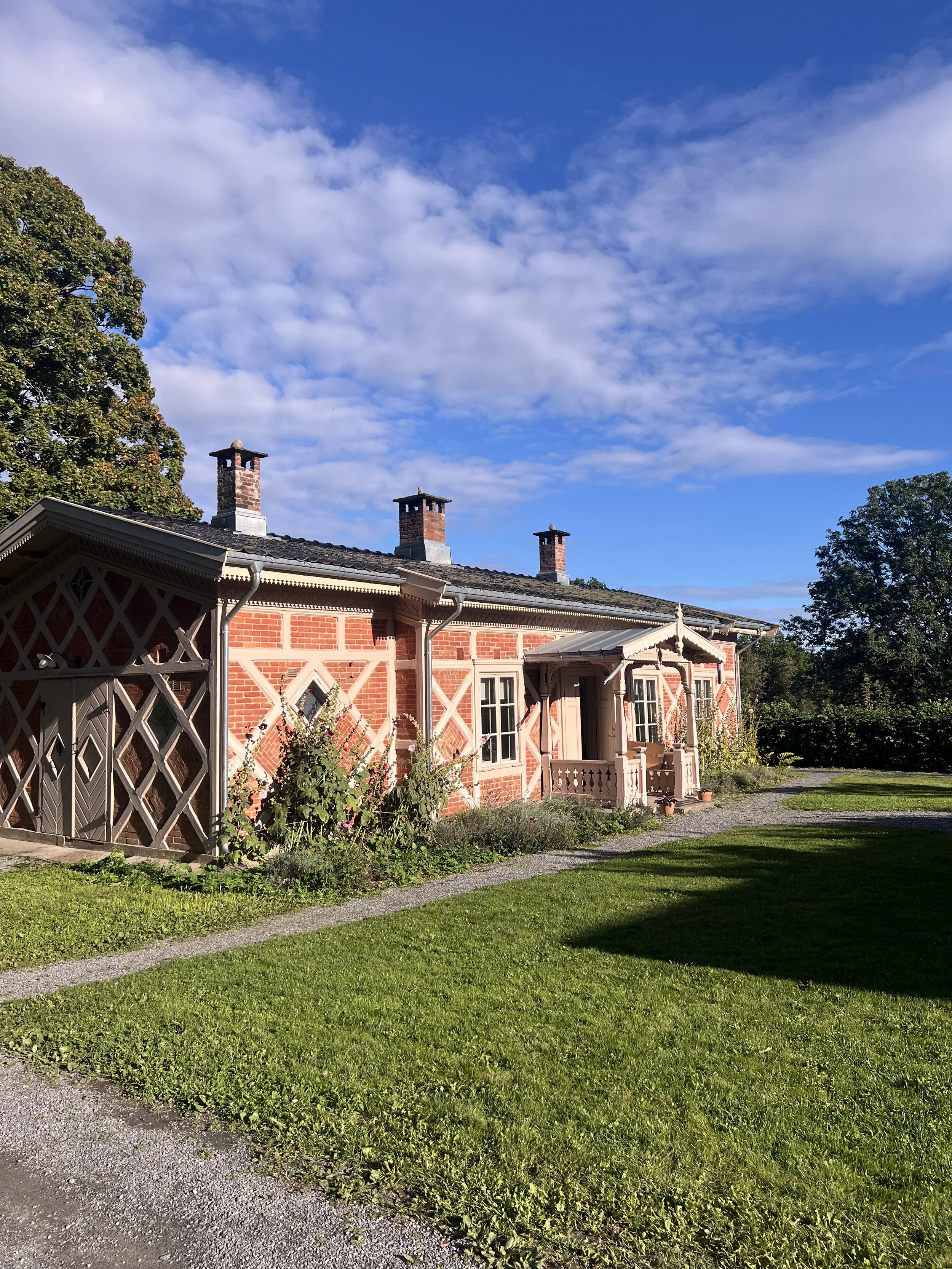
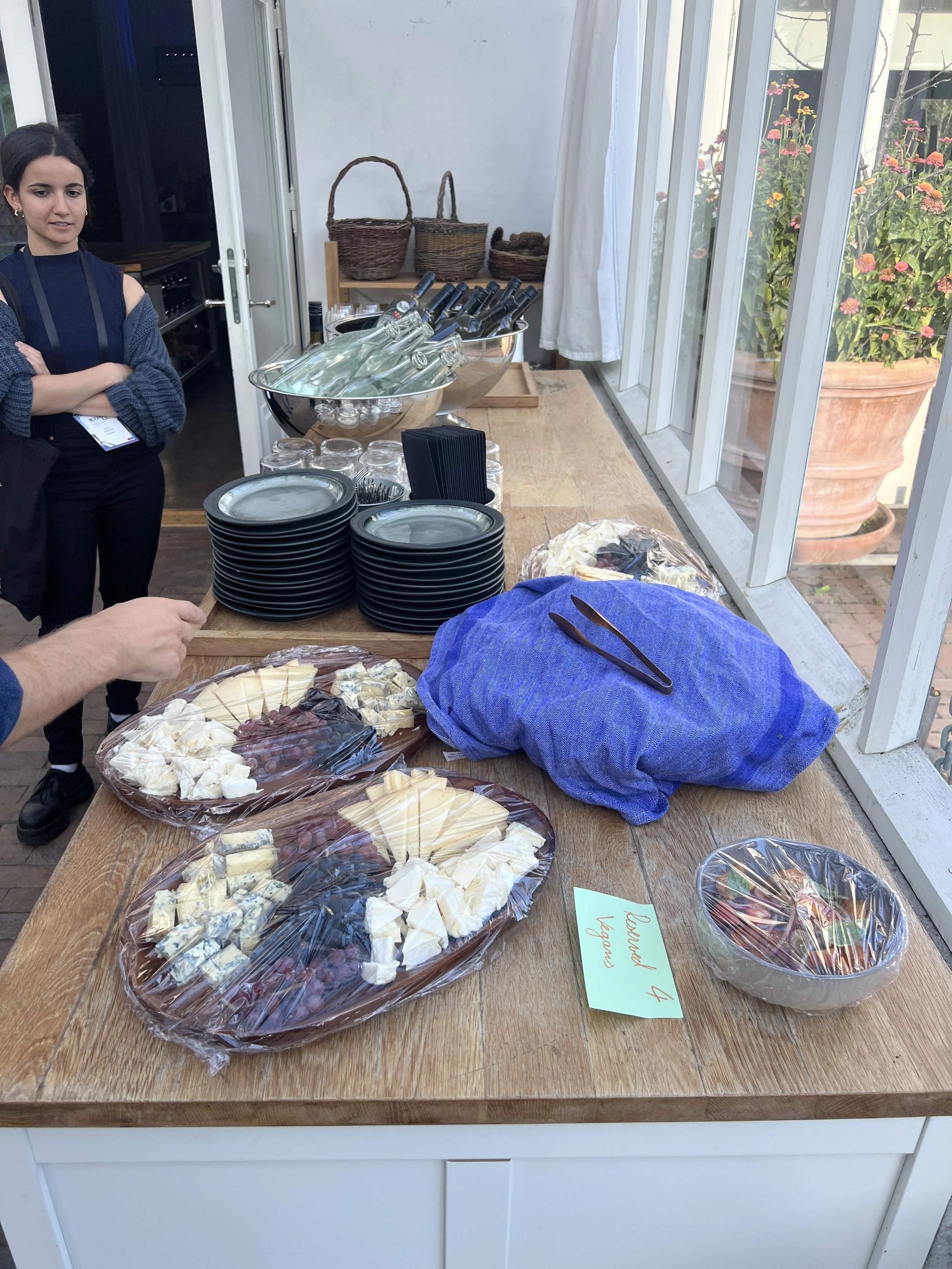
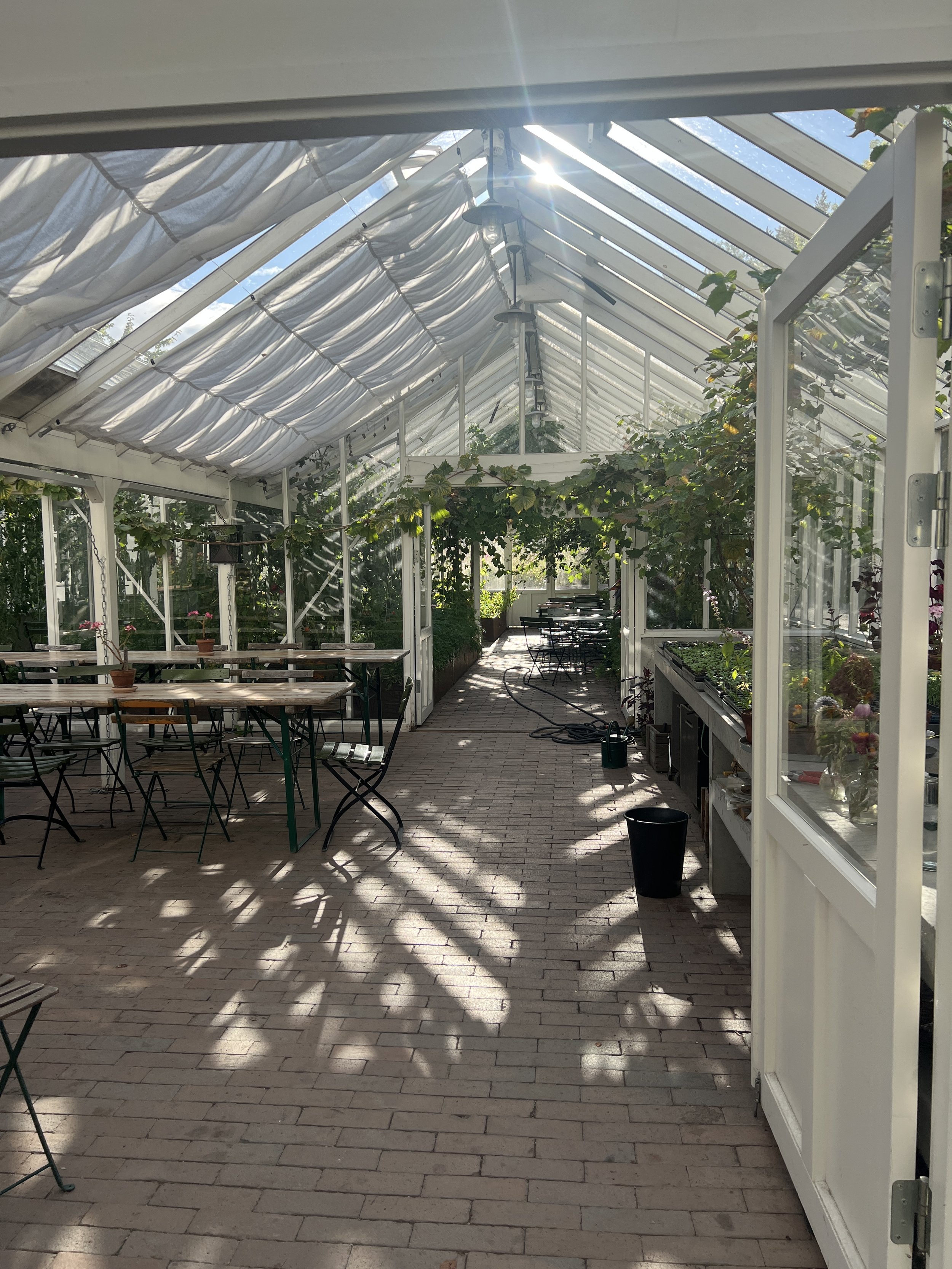
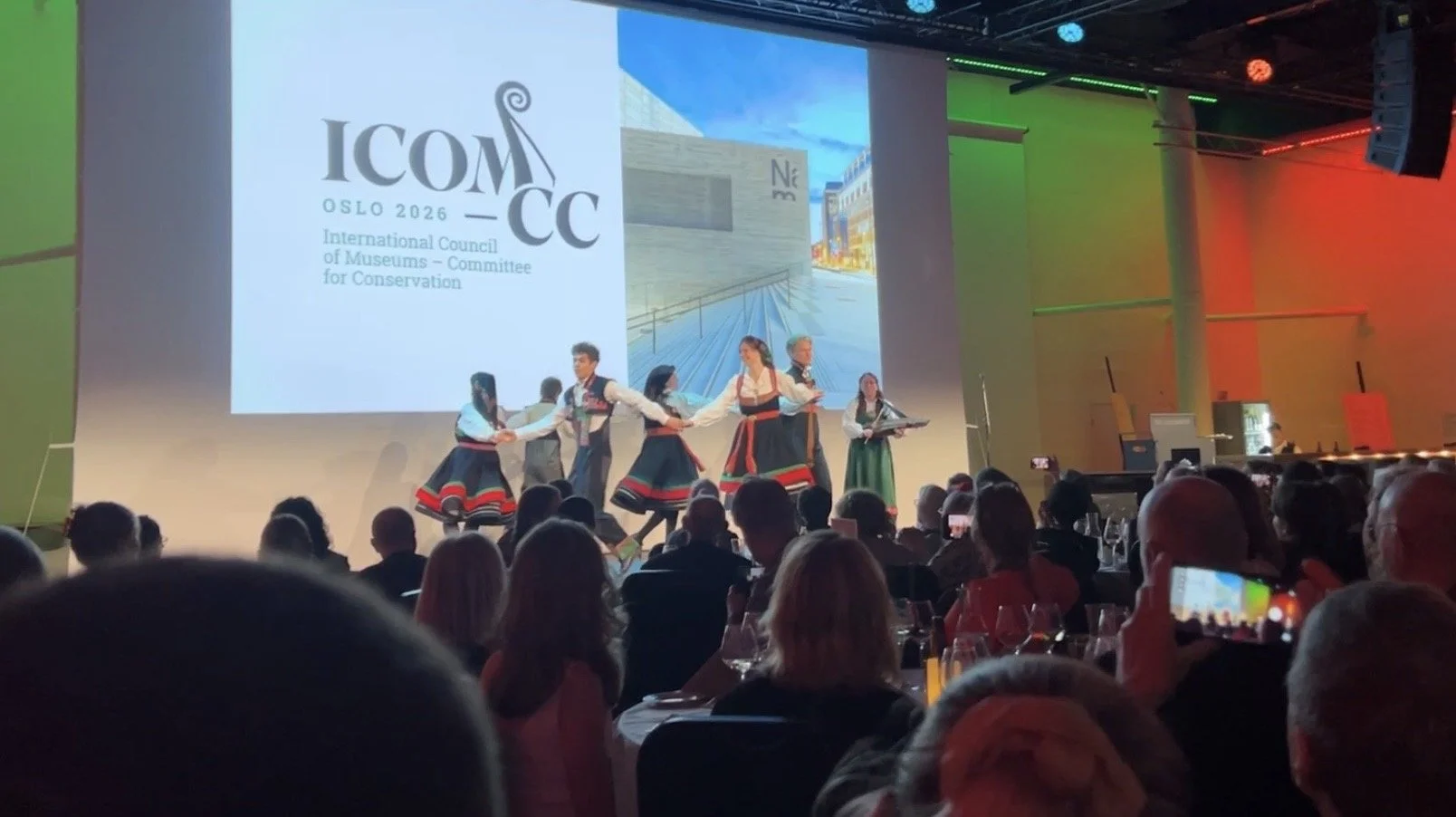
There was cheese made on site. I tried aquavit for the first time. Then somebody decided we should all learn Norwegian folk dancing.
From a networking perspective, there are probably more conventional ways to meet people.
I am not convinced many are better.
Partners changed every few minutes, which meant any remaining formality disappeared almost immediately. It is difficult to maintain professional intimidation when you have just tried, with mixed success, to remember a Norwegian dance sequence together.
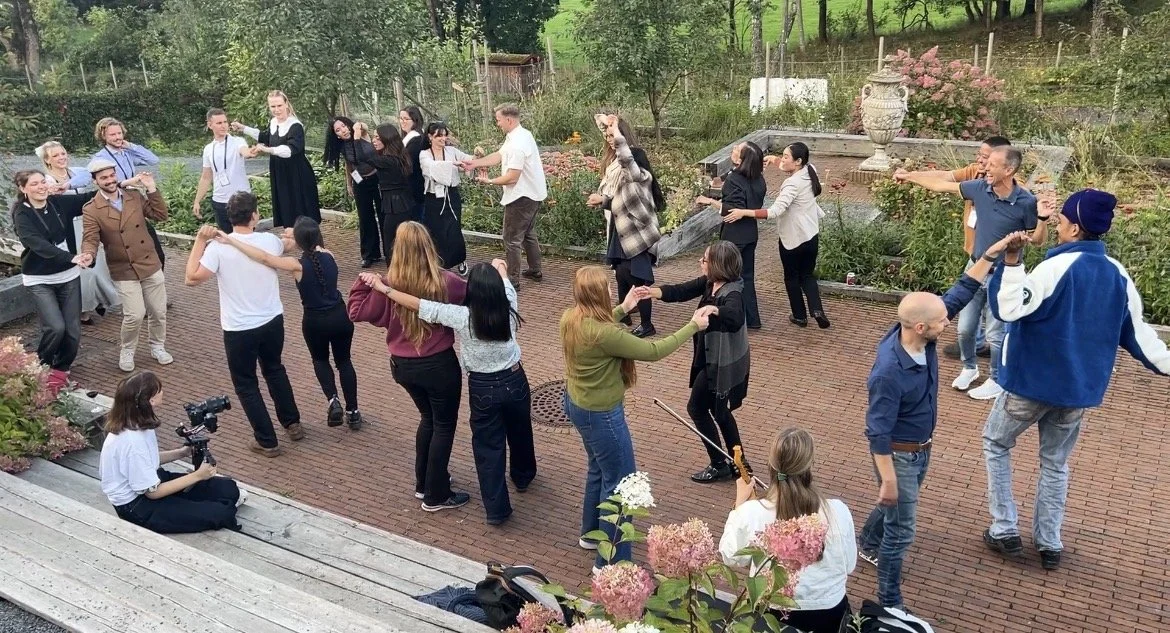
By that stage, I had begun to realise how much of the value of the week existed in these spaces. The conference did not stop when the final slide disappeared from the screen.
The conversations just changed location.
A few of us — scientists, another paintings conservator and myself — eventually left the event together and joined a group of paintings conservators at a bar, where the evening continued.
A few days earlier, I had arrived worried about being the unfamiliar student in a room full of people who already knew each other.
By Wednesday night, that feeling had begun to disappear.
Sustainability, ethics and a changing profession
Across the formal programme, two subjects seemed to appear again and again: sustainability and ethics.
They emerged in obvious places, including papers specifically concerned with carbon footprints, sustainable conservation education and environmental control, but they also sat underneath more technical treatment research.
Questions about reducing solvent use, limiting material input, reconsidering packaging, adjusting environmental expectations and choosing less resource-intensive treatment approaches are no longer separate from mainstream conservation practice. Sustainability is increasingly part of how methods themselves are evaluated.
Ethics was just as present.
How should communities participate in the care of their own heritage? What does responsible conservation education look like? How should uncertainty be communicated? When does technical possibility justify intervention, and when does it simply give us another option that still requires judgement?
For someone completing conservation training at a point when these discussions are changing quickly, it was encouraging to see that the profession is not treating ethics as a settled list of principles inherited from the past.
It is still arguing with itself.
That is healthy.
Thursday: familiarity sets in
By Thursday, the atmosphere had changed.
People who had been strangers on Monday were now familiar faces. You knew who you were likely to find in a particular session. Conversations picked up from the previous night. Jokes began appearing between presentations and over coffee.
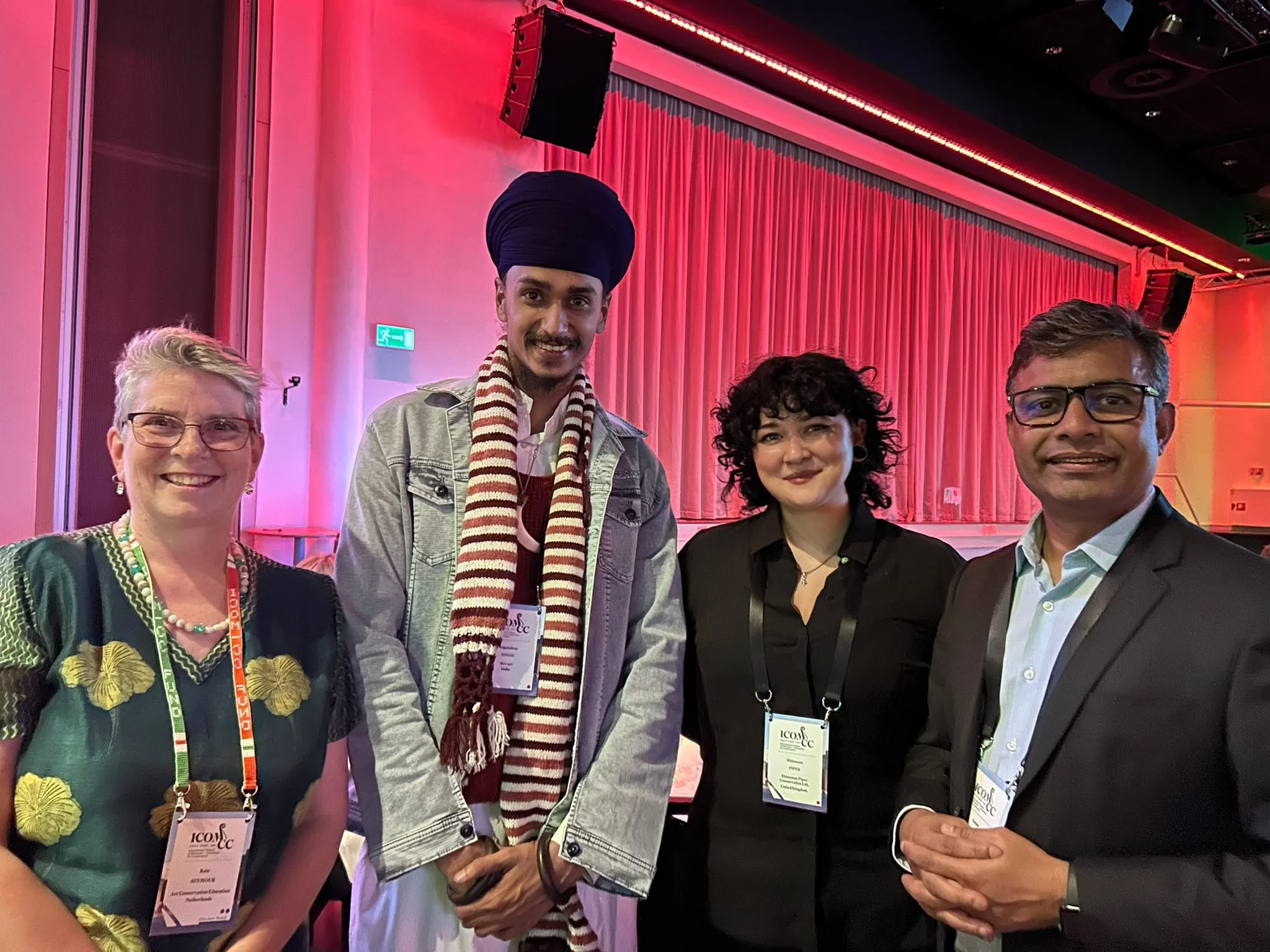
The conference dinner that evening made that shift obvious.
A three-course meal of Norwegian cuisine was presented by the chef, accompanied by speeches and live Norwegian folk dancing. The setting gave everyone another opportunity to sit with people they might never have encountered within their own working group.
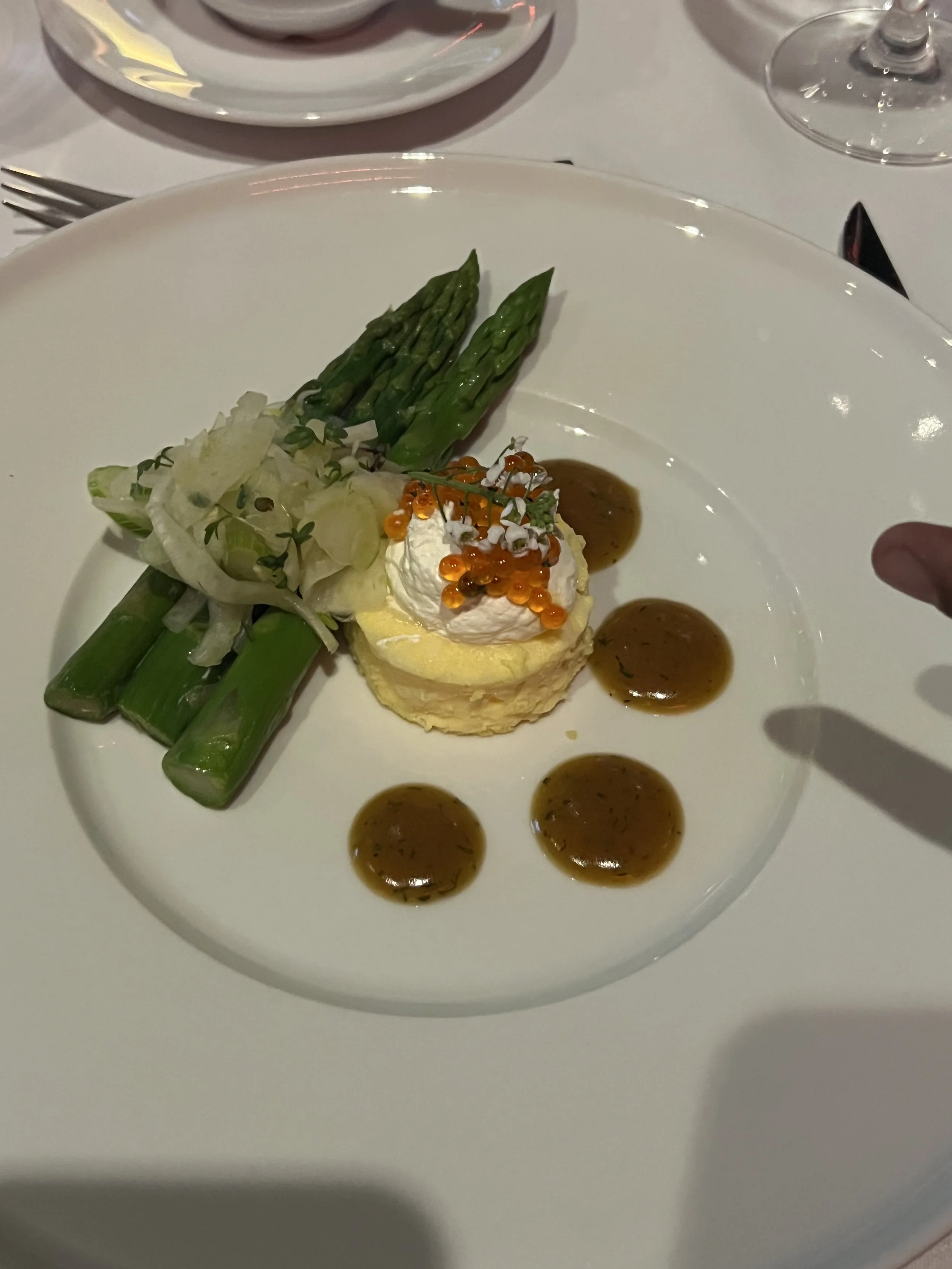
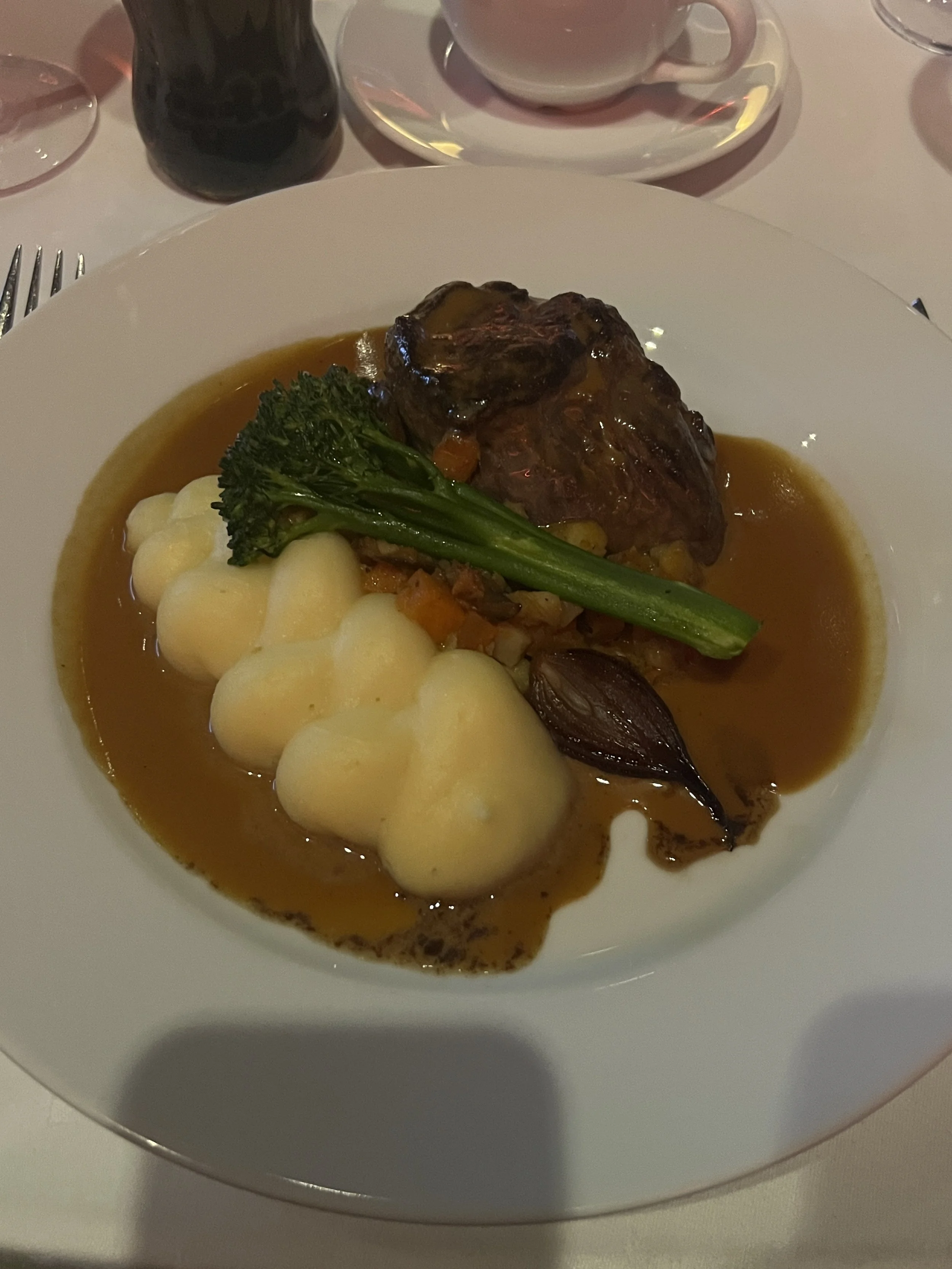
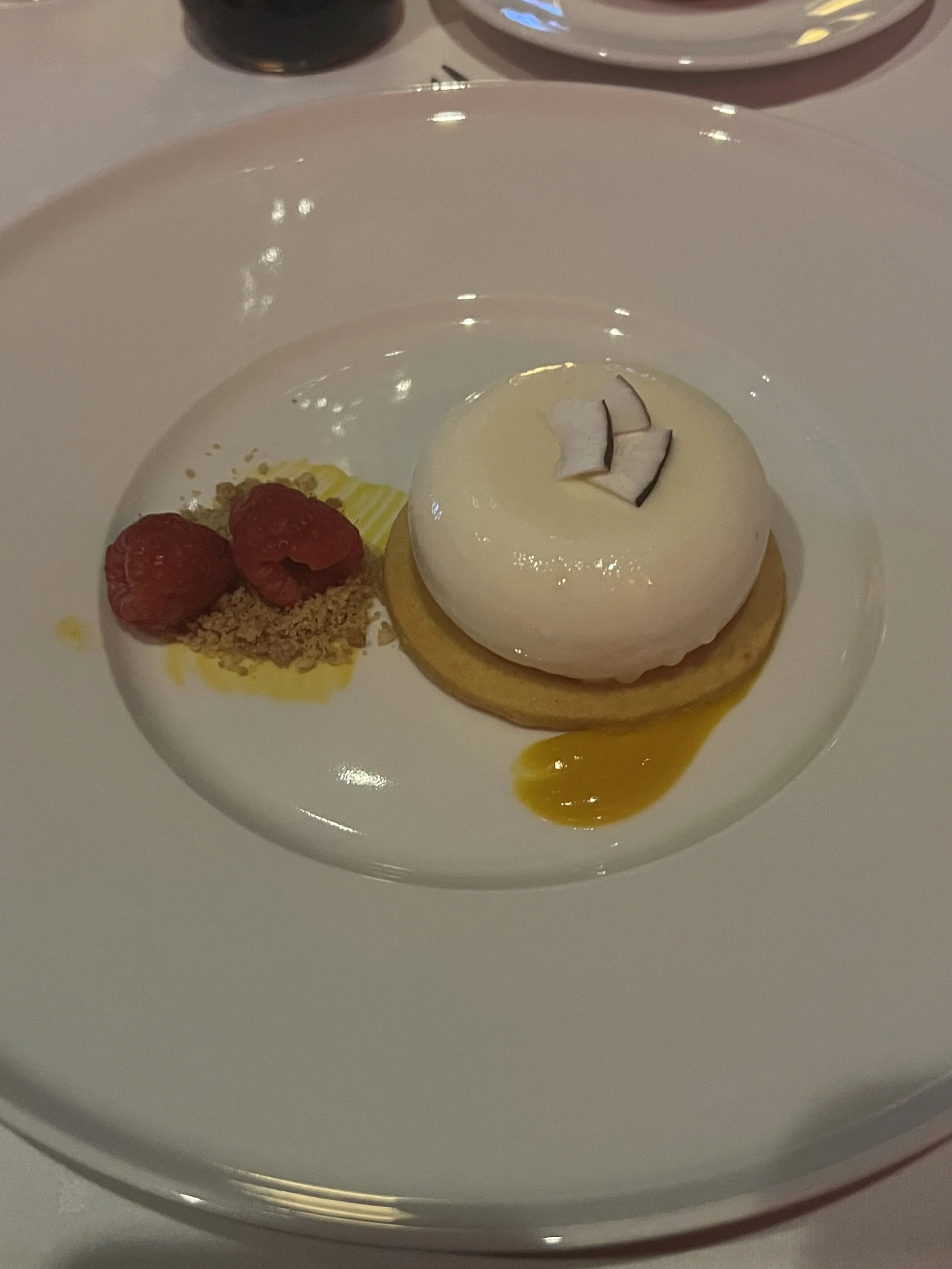
By this stage of the week, introductions required less effort.
The community had begun to feel smaller.
That is perhaps one of the most valuable functions of a conference of this scale. More than a thousand people can sound anonymous on paper. After four days of repeatedly sharing tables, lectures, coffee queues, dinners and dance floors, it stops feeling that way.
The people behind conservation
My most important conversation of the week did not happen during a presentation.
It happened over breakfast on the final morning.
I will leave the person unnamed, but he has spent a significant part of his life working in heritage. Oslo was his seventeenth Triennial Conference.
We began talking about the profession. During the conversation, he mentioned that it was the birthday of his former boss, a man who had taught him much of what he knew and who had died some years before. There was a sadness in the way he spoke about him, particularly when he said that most people in the profession now would not know his name.
I did.
So we talked about him.
Not his publications. Not his professional reputation. Not a treatment carrying his name.
Him.
For around an hour, I listened while somebody described the man who had trained him: his personality, his habits, what he had been like to work beside, and what he had meant to a young professional finding his way into conservation decades earlier.
By the end of breakfast, he thanked me for listening and said something that has stayed with me since:
“We spend our lives preserving the memories of the past; we often forget to remember the ones doing so.”
Of everything I heard that week, that may be the sentence I remember longest.
Conservation spends an enormous amount of time thinking about continuity. We preserve objects because they carry evidence, memories, skill, identity and human experience forward.
But conservation itself also has a memory.
Methods are taught from one person to another. A technique survives because somebody demonstrates it at a bench. Judgement develops through watching somebody more experienced make decisions. Ideas pass between teachers, students, colleagues and collaborators until their origin can become difficult to trace.
Behind every established method is somebody who once had to work it out.
Behind every citation is a person.
From ICOM-CC to ICOM-Conservation
The conference also marked an institutional change.
During the week it was announced that ICOM-CC would move forward under the name ICOM-Conservation. The longstanding "CC", meaning Committee for Conservation, had caused confusion outside those already familiar with the organisation, and the new name makes its purpose more immediately understandable.
The transition is already visible in official material for the next Triennial Conference, which is being described as the 22nd ICOM-Conservation Triennial Conference in 2029.
It felt fitting that the change was announced at a conference centred on connection.
The profession itself is changing. Conservation now sits at the intersection of material science, craft, engineering, data, digital technology, climate research, ethics, community knowledge and heritage policy. The people I met during those five days reflected that range: paintings conservators speaking with engineers, material scientists speaking with developers, students speaking with directors, and people working with stone, leather or contemporary media finding common ground in problems that crossed disciplinary boundaries.
A clearer name cannot create those connections by itself.
But it can describe them better.
What I took home
I went to Oslo expecting to learn.
I did.
I came home thinking about bulked acrylic fills, emulsion gels, XRF scanning, cleaning foams, methylcellulose, sustainability, treatment ethics and more papers than I could reasonably fit into five days.
But that is not what I value most about having gone.
What mattered was having access to the people behind that work.
For an emerging conservator, the ability to walk up to somebody after a presentation and ask another question is extraordinary. So is being able to encounter that same person hours later over dinner and continue the conversation without a microphone between you.
I met conservators from disciplines far outside my own. I spoke with scientists, engineers, developers, researchers and heritage professionals from institutions and countries I had previously known only through publications. I watched people disagree, exchange ideas, question methods, laugh together and dance badly together.
I also saw how much this profession depends on people being willing to share what they know.
Five days earlier, I had walked into the conference feeling like a new face among people who had known one another for decades.
I left with new contacts, new questions, new research to read, and people I hope I will meet again at conferences for years to come.
There is a tendency when talking about professional development to reduce experiences like this to networking, as though the value lies mainly in the number of names added to a contact list.
That does not capture it.
The value lies in becoming part of the conversation.
I am extremely grateful to Bev/Art for giving me the opportunity to do that, not only through their sponsorship but through the generosity with which their team welcomed students and emerging professionals throughout the week. Their support gave me access to my first ICOM-CC conference at a formative point in my career, and I do not think I could have chosen a better introduction to the international conservation community.
The 21st Triennial began under the name ICOM-CC and ended looking toward the future as ICOM-Conservation.
For me, it also marked a quieter transition.
I arrived in Oslo still feeling largely like a student standing at the edge of the profession.
I left feeling part of it.